An acid reflux attack can strike without warning, bringing a burning sensation in the chest and throat that makes even simple activities uncomfortable. Understanding what steps to take in those critical moments can make the difference between prolonged suffering and relatively quick relief. While occasional heartburn is common, knowing how to respond effectively during an attack helps manage symptoms until they subside.
The discomfort typically begins when stomach acid flows back into the esophagus, irritating its sensitive lining. Several factors can trigger this process, including certain foods, eating habits, and physical positions. Learning to recognize these triggers and having a plan in place allows those affected to take control of the situation rather than simply waiting it out.
This guide brings together practical approaches for managing an acid reflux attack, drawing on established medical recommendations and evidence-based home remedies. From immediate actions to preventive measures, the information below covers what works, what to avoid, and when professional medical attention becomes necessary.
What to Do During an Acid Reflux Attack (Home Remedies)
When acid reflux strikes, taking the right steps within the first few minutes can significantly reduce the severity and duration of symptoms. The goal is to help gravity work in your favor while neutralizing or diluting the stomach acid causing the irritation.
Sit upright or stand up. Avoid lying down flat, as this allows acid to travel further up the esophagus and can worsen symptoms.
Loosen tight clothing around the waist and sip water slowly to help dilute stomach acid and wash it back down.
Steer clear of trigger foods, mint flavors, and carbonated beverages during an active attack. Do not eat until symptoms settle.
Seek a doctor’s advice if attacks occur more than twice weekly or if symptoms persist despite trying home measures.
Key Insights for Managing an Attack
- Sipping plain water helps dilute acid and clears the esophagus, providing relatively quick relief during an attack.
- Chewing sugar-free gum for about 30 minutes after eating stimulates saliva production, which naturally neutralizes acid. Avoid peppermint varieties if they worsen symptoms.
- Avoid eating for at least three to four hours before bedtime to prevent nighttime attacks. Eating sparingly during an active episode can prevent further acid production.
- Elevating the head six to eight inches while sleeping using a wedge pillow or bed risers—rather than stacked regular pillows—uses gravity to keep acid in the stomach.
- Loosening tight waistbands reduces abdominal pressure on the stomach, decreasing the likelihood of acid escaping upward.
- Practice relaxation techniques such as deep breathing or gentle yoga to reduce stress-triggered reflux, which can exacerbate symptoms.
Quick Reference Facts
| Action | Benefit | Source |
|---|---|---|
| Sip water slowly | Dilutes acid and clears esophagus | Cleveland Clinic |
| Sit or stand upright | Uses gravity to keep acid down | NHS |
| Chew sugar-free gum | Increases saliva to neutralize acid | Medical sources |
| Avoid eating 3-4 hours before bed | Prevents nighttime reflux | NHS, Harvard Health |
| Loosen tight clothing | Reduces abdominal pressure | Cleveland Clinic |
| Elevate head while sleeping | Prevents acid rise via gravity | Medical sources |
| Eat smaller, frequent meals | Avoids overfilling the stomach | Harvard Health |
| Wait 2-3 hours after eating before lying down | Allows digestion before horizontal position | Medical sources |
What Helps Acid Reflux Go Away Quickly?
Several beverages and natural remedies have shown effectiveness in providing relatively fast relief during an acid reflux attack. These options work by either neutralizing existing acid, stimulating protective saliva production, or soothing the irritated esophageal lining. Their effectiveness can vary from person to person, so paying attention to how your body responds to each remedy is important.
Beverages That May Provide Relief
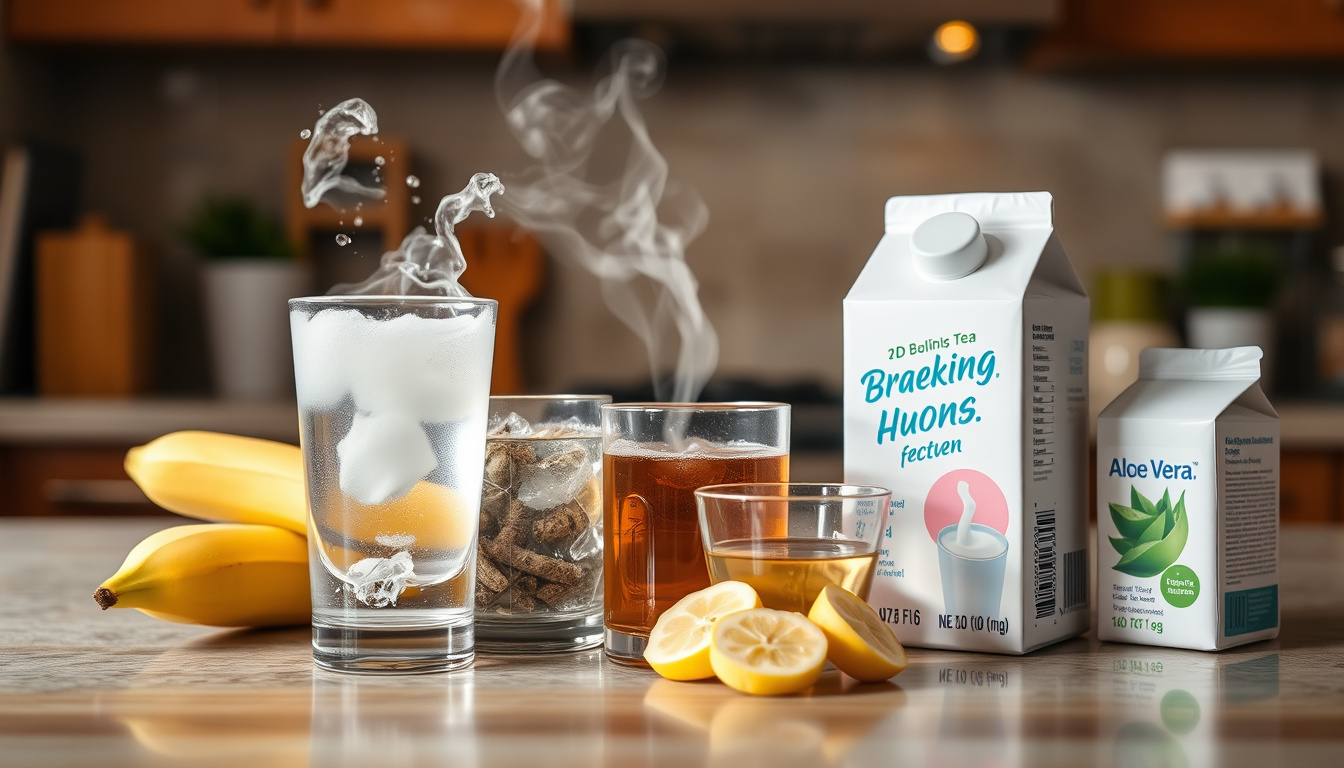
Plain water remains one of the most accessible options, helping to dilute stomach acid and wash it back down the esophagus. Some sources suggest alkaline water with a pH of 9.5 may offer additional neutralizing benefits when consumed with meals.
Ginger tea has been widely recommended for its anti-inflammatory properties. Steeping fresh ginger slices in hot water creates a drink that can calm the stomach and reduce irritation. The warmth of the tea also provides soothing comfort during an uncomfortable attack.
Aloe vera juice, specifically formulations designed for internal use, can help reduce esophageal inflammation. It should be consumed in small amounts before meals using only food-grade products specifically labeled for drinking.
While peppermint tea is popular for digestive issues, it can actually relax the lower esophageal sphincter and increase reflux in some individuals. Those sensitive to this effect should avoid peppermint products during an active attack.
Other Quick-Relief Options
Sugar-free gum provides a convenient way to increase saliva production, which naturally helps neutralize acid in the esophagus. Chewing for approximately 30 minutes after eating or during an attack can accelerate symptom relief. Avoiding peppermint flavors is advisable for those who find mint worsens their symptoms.
A baking soda solution—made by mixing half a teaspoon of baking soda in four ounces of water—can neutralize acid similarly to an over-the-counter antacid. However, this remedy is high in sodium and not suitable for those on restricted diets or for frequent use without medical approval.
Over-the-counter antacids such as Tums, Rolaids, or Mylanta offer immediate relief by directly neutralizing stomach acid. These products are widely available and can be effective for occasional attacks when used according to package directions.
While many home remedies are commonly recommended, scientific evidence for some remains limited. Effectiveness varies between individuals. Monitoring which remedies work best for your specific situation helps create a personal management approach.
Acid Reflux Medicine and When to Use It
Understanding when medication becomes necessary and which options are appropriate forms an important part of managing acid reflux effectively. While home remedies work well for occasional symptoms, certain situations call for pharmaceutical intervention.
Over-the-Counter Options
Antacids provide the fastest relief by neutralizing stomach acid already present. Products like calcium carbonate tablets work within minutes and are suitable for occasional heartburn. They come in various forms including chewable tablets, liquids, and dissolvable powders.
For more frequent symptoms, H2 blockers such as famotidine can reduce acid production over a longer period. These medications take longer to work than antacids but provide more sustained relief. They are available without prescription in lower strengths.
When to Seek Medical Advice
Experiencing acid reflux more than twice weekly may indicate gastroesophageal reflux disease, a chronic condition requiring medical management. Frequent attacks can signal underlying issues including hiatal hernia, esophageal strictures, or Barrett’s esophagus—a condition that increases esophageal cancer risk.
Certain symptoms warrant prompt medical attention regardless of frequency. These include difficulty swallowing, unexplained weight loss, persistent vomiting, or pain that interferes with daily activities. Those who are pregnant, taking other medications, or managing conditions like kidney problems should consult a healthcare provider before using any new remedy or medication.
Home remedies should not replace medical evaluation for persistent symptoms. Relying solely on self-treatment without professional guidance can delay diagnosis of potentially serious conditions that require specific treatment.
Is Acid Reflux Dangerous?
Occasional acid reflux rarely poses serious health risks and can typically be managed with lifestyle adjustments and over-the-counter products. However, when symptoms become frequent or severe, potential complications make professional evaluation important.
Understanding the Risks
Chronic acid exposure can lead to inflammation of the esophagus, known as esophagitis. Over time, repeated damage may cause Barrett’s esophagus, where the esophageal lining changes to resemble intestinal tissue. This condition increases the risk of esophageal cancer, though the overall probability remains relatively low.
Other potential complications include esophageal strictures—narrowing of the esophagus that can cause difficulty swallowing—and chronic inflammation that may affect quality of life. Regular episodes that interfere with sleep, work, or daily activities represent a significant impact worth discussing with a healthcare provider.
When Short-Term Symptoms Are Typically Harmless
An isolated episode of heartburn or acid taste in the mouth, while uncomfortable, generally does not indicate a dangerous condition. The discomfort usually subsides within hours with appropriate management. Most people experience occasional reflux without developing any lasting problems.
However, ignoring recurring symptoms in hopes they will resolve on their own can allow underlying conditions to progress. Finding the right balance between not overreacting to occasional discomfort while taking frequent symptoms seriously represents the key to appropriate self-care.
Acid Reflux Foods to Avoid During an Attack
Certain foods relax the lower esophageal sphincter or increase stomach acid production, making them particularly problematic during an active attack. Identifying and avoiding personal trigger foods forms a cornerstone of effective management.
Common Trigger Foods
Fatty and fried foods slow digestion and increase the time food stays in the stomach, creating more opportunity for acid to reflux upward. Large meals have a similar effect by distending the stomach and putting pressure on the esophageal sphincter.
Chocolate, caffeine, and alcohol all relax the lower esophageal sphincter, reducing the barrier that keeps stomach contents where they belong. Citrus fruits and tomatoes, due to their high acid content, can directly irritate an already-inflamed esophagus.
Spicy foods, onions, and garlic are frequently reported triggers, though their effects vary between individuals. Peppermint and spearmint, despite their reputation for aiding digestion, can actually worsen symptoms in sensitive individuals by relaxing the sphincter muscle.
Foods That May Help
Low-acid fruits like bananas and melons are generally well-tolerated and can actually help coat the esophagus. Oatmeal absorbs excess acid and provides filling nutrition without triggering symptoms. Green vegetables including broccoli, asparagus, and leafy greens offer alkaline properties that may help balance stomach acid.
Lean proteins such as chicken, turkey, and fish are less likely to cause problems than fatty cuts of meat. These can form the basis of a reflux-friendly diet while providing adequate nutrition.
Keeping a food journal to track what you eat and when symptoms occur helps identify personal triggers. Since triggers vary significantly between individuals, this personalized approach proves more effective than following generic lists of foods to avoid.
What to Expect During an Acid Reflux Attack
Understanding the typical progression of an acid reflux episode helps set realistic expectations and guides appropriate responses at each stage.
- Onset: A burning sensation typically begins in the upper abdomen or lower chest, sometimes spreading to the throat. This occurs when stomach acid first contacts the esophageal lining.
- Escalation: Symptoms often peak within five to ten minutes if no intervention occurs. The burning may intensify as more acid contacts irritated tissue.
- Response Phase: Taking immediate action—sitting upright, sipping water, loosening clothing—typically brings noticeable improvement within fifteen to thirty minutes.
- Resolution: With appropriate measures, most attacks subside within an hour. Some residual sensitivity may linger for several hours.
- Recovery Period: After symptoms resolve, continuing to avoid triggers and maintaining upright positioning helps prevent immediate recurrence.
What We Know for Certain—And What Remains Unclear
- Sitting upright and sipping water help relieve symptoms
- Avoiding eating three to four hours before bedtime reduces nighttime attacks
- Fatty foods, caffeine, and alcohol commonly trigger symptoms
- Frequent reflux occurring more than twice weekly warrants medical evaluation
- Elevating the head during sleep provides benefit through gravity
- Over-the-counter antacids neutralize acid for immediate relief
- Exactly how effective specific home remedies are compared to placebos remains incompletely studied
- Individual triggers vary significantly, making universal recommendations limited
- The long-term effects of frequent home remedy use are not fully established
- Some remedies lack robust clinical trials to confirm their benefits
- Optimal timing for various interventions during an active attack lacks definitive research
Why Acid Reflux Happens
Acid reflux occurs when the lower esophageal sphincter—a ring of muscle that acts as a valve between the stomach and esophagus—fails to close properly or relaxes inappropriately. This allows stomach acid to flow backward into the esophagus, causing the characteristic burning sensation.
Several factors can contribute to this dysfunction. Pregnancy, obesity, and hiatal hernia physically affect the sphincter’s positioning and function. Smoking damages the sphincter muscle and reduces saliva production, which normally helps neutralize acid. Certain medications, including some blood pressure drugs and antidepressants, can also affect how well the sphincter functions.
Understanding that reflux has underlying causes—not simply random occurrences—helps frame appropriate management strategies. Addressing root factors like weight, smoking, or medication use often provides more relief than focusing solely on treating individual episodes.
What Experts Recommend
“Taking a sip of water can help wash acid back down to where it belongs and dilute any acid that has built up in the esophagus.”
— Cleveland Clinic medical guidance
“Do not eat within three or four hours before you go to sleep. This gives your stomach time to empty and means less acid will be in your esophagus when you lie down.”
— NHS recommendations
“Eat sparingly and slowly. When the stomach is very full, there is more reflux.”
— Harvard Health guidance
Moving Forward After an Acid Reflux Attack
Managing acid reflux effectively involves both responding to acute episodes and making sustainable lifestyle adjustments. Paying attention to what triggers attacks and taking preventive measures reduces both frequency and severity over time.
Staying hydrated supports overall digestive health, though timing matters—drinking large amounts during meals can distend the stomach and potentially worsen symptoms. For personalized hydration guidance, see our article on How Much Water Should You Drink a Day.
If symptoms persist despite trying the measures outlined here, or if attacks become more frequent, scheduling an appointment with a healthcare provider allows for proper evaluation and management. Chronic reflux rarely resolves on its own and benefits from professional input.
Understanding your body’s specific patterns—whether certain foods, times of day, or activities tend to trigger symptoms—creates a foundation for lasting control. With the right approach, most people can effectively manage acid reflux and minimize its impact on daily life.
For additional information on beverages that may affect digestive health, consider reading about Is Lemon Water Good for You.
Frequently Asked Questions
What causes acid reflux?
Acid reflux occurs when the lower esophageal sphincter fails to close properly or relaxes inappropriately, allowing stomach acid to flow backward into the esophagus. Triggers include certain foods, large meals, lying down after eating, obesity, pregnancy, smoking, and some medications.
How can I get rid of acid reflux fast?
Sitting upright, sipping water slowly, and loosening tight clothing provide relatively quick relief. Chewing sugar-free gum for about 30 minutes can also help by increasing saliva production. Over-the-counter antacids work fastest for immediate neutralization.
What helps acid reflux sore throat?
A sore throat from acid reflux results from esophageal irritation. Drinking cool water, aloe vera juice, or ginger tea can soothe inflammation. Avoiding further triggers and not lying down until symptoms improve helps the throat heal.
How do I stop acid reflux in the morning?
Morning reflux often occurs from overnight acid pooling. Elevating the head six to eight inches with a wedge pillow or bed risers uses gravity to prevent this. Avoiding breakfast triggers and not eating too quickly after waking also helps.
How do I stop vomiting from acid reflux?
Vomiting from severe acid reflux often accompanies significant nausea. Taking small sips of water, avoiding solid food until nausea subsides, and using relaxation techniques can help. Persistent vomiting warrants medical attention.
Is acid reflux dangerous?
Occasional reflux is typically not dangerous. However, frequent episodes (more than twice weekly) may indicate GERD and can lead to complications including esophagitis, strictures, or Barrett’s esophagus. Persistent symptoms should be evaluated by a healthcare provider.
What should I drink during an acid reflux attack?
Plain water helps dilute acid and clear the esophagus. Ginger tea can reduce inflammation and calm the stomach. Aloe vera juice (food-grade) soothes esophageal irritation. Avoid peppermint if it worsens your symptoms.

Arthur Oliver Howard Fletcher is a staff writer for NationalReport.uk, covering UK national news, politics, the economy and public services. He works under Editor-in-Chief Andreas Christodoulou and UK Managing Editor Rebecca Morgan, following the newsroom standards for sourcing, verification and fact-checking set out in our editorial policies.