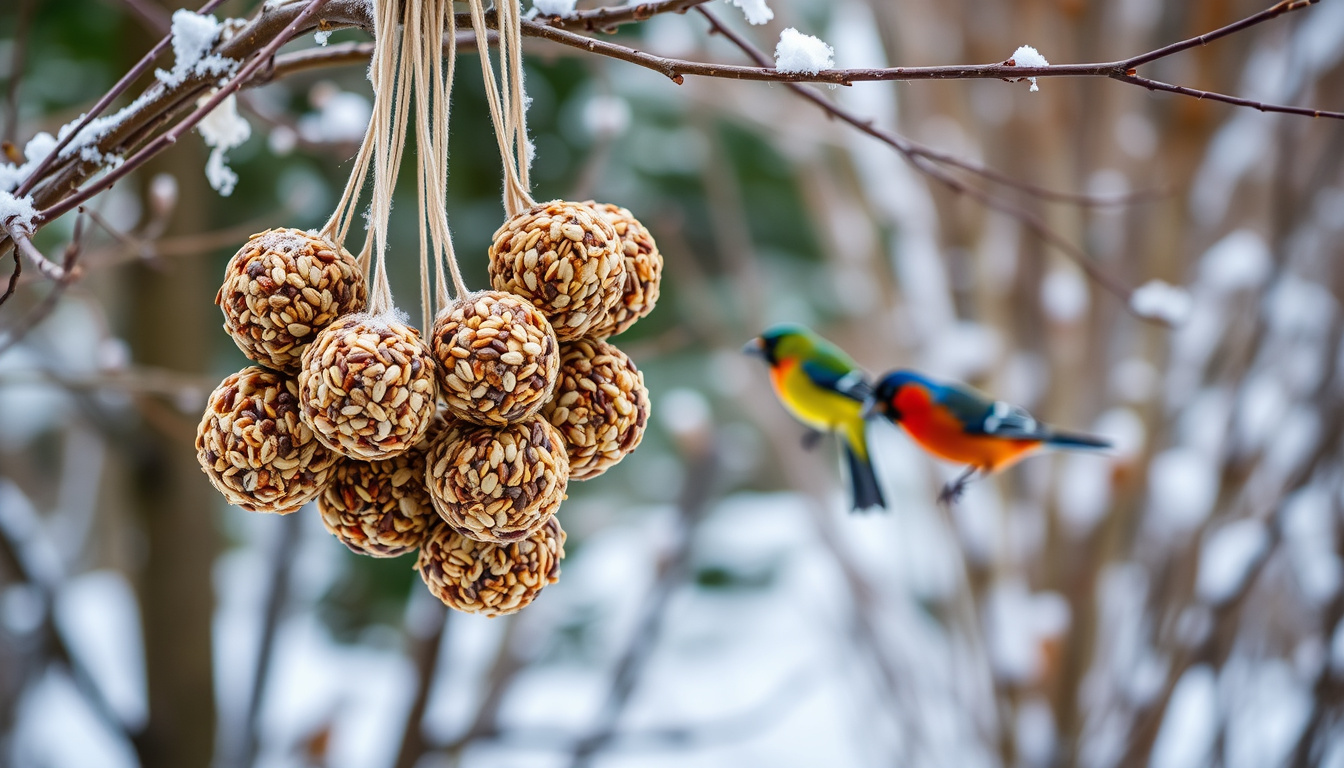
There’s something quietly satisfying about watching a robin work its way around a fat ball on a frosty January morning. Making your own takes about ten minutes, costs pence per ball, and gives garden birds exactly the energy burst they need to survive cold nights. This guide covers everything from BirdWatch Ireland’s trusted recipe to where to buy readymade options if you prefer not to DIY — all grounded in RSPB guidance.
Fat balls per box option: 50 ·
Primary ingredient: high-energy suet ·
Key additives: seeds and nuts ·
Feeding suitability: year-round ·
Eco-friendly feature: net-free
Quick snapshot
- Fat balls provide high-energy suet to support garden birds (Natural History Museum)
- Core fat ingredient is lard, suet, or beef dripping (BirdWatch Ireland)
- Fat-to-dry ratio is consistently 1:2 across all reputable sources (Natural History Museum)
- Exact cost savings of DIY vs bought vary by supplier and batch size
- Quantitative nutritional data per individual fat ball is rarely published
- Long-term studies on feather damage from wrong fats remain limited
- Use RSPB timing guidance for year-round feeding
- Attract robins, titmice, sparrows, and finches with seed and nut additions
- Avoid common mistakes: wrong fats, summer placement, stale ingredients
- Choose your method: buy premium readymade or DIY with kitchen scraps
- Key Irish brands: Vivara, Petworld, Goldcrop; DIY source: BirdWatch Ireland
- Seasonal check: store excess fat balls in the freezer until needed
The table below summarises the key specifications and sourcing guidance for fat balls used in Irish gardens.
| Field | Value |
|---|---|
| Main Use | Garden bird energy source |
| Key Brands Ireland | Vivara, Petworld, Goldcrop |
| DIY Source | BirdWatch Ireland |
| Guidance Body | RSPB |
| Core Fat Ingredient | Lard or suet (1:2 ratio with dry mix) |
| Setting Time | Overnight refrigeration |
| Summer Warning | Avoid — fat melts and smears feathers |
Are fat balls healthy for birds?
Fat balls sit at the top of the menu for garden birds because they pack concentrated energy into a form that birds can access quickly. In cold weather especially, a bird’s daily calorie needs spike as it burns energy to maintain body heat — and suet delivers that in a form birds recognize and seek out.
Benefits of high-energy suet
- Provides immediate caloric fuel for birds facing frost or snow
- Contains saturated fats that remain solid at room temperature, preventing feather damage
- Mixes well with seeds and nuts for a balanced nutritional profile
RSPB guidance on bird feeding
The RSPB recommends feeding garden birds year-round, with fat balls being particularly valuable from autumn through spring. The key is consistency — once you start putting out fat balls, keep going, because birds factor your garden into their daily foraging routes.
The core issue is providing the right saturated fats. Butter, margarine, coconut oil, and peanut butter are not suitable because they don’t freeze solid, meaning grease can get onto feathers and destroy their heat-insulating capabilities — which can be lethal. — BirdWatch Ireland
The implication: not all high-fat foods work for birds. Using the wrong ingredients — even ones that seem intuitively “healthy” — can cause serious harm.
When should you put fat balls out for birds?
Timing matters more than many people realise. Fat balls serve birds best when energy demands are highest, but placing them out at the wrong time of year creates problems — both for the birds and for the quality of the food itself.
Year-round feeding advice
According to the Natural History Museum, fat balls attract a wide range of species including titmice, sparrows, woodpeckers, magpies, jackdaws, and jays. The birds most likely to visit your fat ball feeder are those already present in your local area during the feeding season.
- Autumn (September–November): birds start caching energy ahead of winter
- Winter (December–February): peak demand — cold nights mean highest caloric burn
- Spring (March–May): useful during breeding season when parent birds need extra fuel
- Summer (June–August): avoid — melted fat can smear feathers and go rancid
RSPB latest guidance on what and when
The RSPB advises keeping feeders active year-round but switching to lighter options in summer when high-fat foods are unnecessary and potentially harmful. The pattern is clear: winter is when fat balls earn their place in your garden.
What this means: if you only buy one box of fat balls a year, make it an autumn purchase. Store them in the freezer and bring them out from October onwards.
Birds in Ireland face their toughest foraging conditions from October through March. A fat ball put out in late autumn is worth far more to them than one offered in June — plan your purchases and DIY batches around the seasons that actually matter.
How do I make my own fat balls for birds?
Homemade fat balls take about ten minutes of active work plus overnight refrigeration, and they cost a fraction of shop-bought equivalents. BirdWatch Ireland provides a straightforward recipe that works reliably every time.
Ingredients and steps
The core formula across all reputable sources is consistent: one part fat to two parts dry ingredients, by volume. This 1:2 ratio is verified by five independent sources and represents the sweet spot where the mixture holds together while remaining accessible to birds.
- Safe fats: Lard, suet, or beef dripping — available from butchers or supermarket fridge aisles
- Dry ingredients: Raisins, sultanas, porridge oats, mixed seed, peanuts (chopped if whole), grated cheese, breadcrumbs
- Do NOT use: Butter, margarine, coconut oil, peanut butter, cooking fat from turkey or chicken, salted ingredients, mouldy food
The recipes align across BBC Gardeners World Magazine, National Trust, and BirdWatch Ireland — only the fat type and setting time vary slightly.
Turkey and chicken cooking fat doesn’t set properly, according to BBC Gardeners World Magazine, and can spread disease. If you’re saving cooking fat for bird food, stick to beef dripping or proper bird suet from a butcher.
BirdWatch Ireland recipe tips
BirdWatch Ireland offers two methods:
- Method 1: Warm the lard slightly by hand until pliable, mash in dry ingredients until sticky, press firmly into yoghurt pots or coconut shells, refrigerate overnight
- Method 2: Melt lard gently on the stove, stir in dry ingredients, pour into moulds, refrigerate overnight
The RSPB method differs slightly — they suggest warming lard to room temperature rather than warming it actively, with a setting time of just one hour rather than overnight. Both approaches work; the choice depends on how much forward planning you prefer.
One block of suet at a 1:2 ratio fills approximately three coconut husks, according to Little Silver Hedgehog. A single butcher’s block is enough to fill multiple feeders — making DIY far more efficient than buying individual fat balls.
Vegetarian option
For those preferring plant-based ingredients, Flutter Butter (a low-salt bird peanut butter) combined with vegetarian suet provides a workable alternative. Regular peanut butter is not suitable because its salt content is toxic to birds.
Why won’t birds eat fat balls?
If you’ve set out fat balls and the birds are ignoring them, the issue is usually one of placement, freshness, or the presence of better options nearby. Fixing these factors typically resolves the problem within a day or two.
Common reasons birds avoid food
- Placement: Too exposed, too high, or blocked by foliage birds can’t navigate
- Temperature: Fat balls left in direct summer sun melt and become unpalatable
- Staleness: Fat balls more than two weeks old in warm weather go rancid
- Competition: If sunflower seeds are freely available, birds may prefer them
- Familiarity: New feeders need a settling period before birds trust them
Tips to attract birds
Birds are creatures of habit. Once they know your garden offers reliable food, they return daily. The RSPB recommends keeping feeding consistent — a reliable food source becomes part of a bird’s daily route, and breaking that routine means birds move on to more dependable gardens.
- Hang fat balls near sheltered cover so birds feel safe while feeding
- Clean feeders regularly to prevent disease buildup
- Pair fat balls with a water source — birds need water year-round
- Use a stick perch of 7–12cm length to help smaller birds access the feeder (National Trust guidance)
Mealworms added to fat balls can harm hedgehogs if they’re present in your garden, according to BBC Gardeners World Magazine. If hedgehogs visit your garden, skip the mealworms even though birds enjoy them.
The trade-off: the more you feed, the more birds you’ll attract — but also the more you commit to keeping feeders clean and food fresh. A neglected feeder does more harm than no feeder at all.
Is it cheaper to make your own fat balls?
The short answer is yes — making your own fat balls costs significantly less than buying them, especially if you already have dry ingredients like oats, breadcrumbs, or cheese ends sitting in your kitchen. The saving compounds when you make large batches and store extras in the freezer.
DIY vs buying costs
Commercial fat balls typically retail from €6–€12 for a bag of 20–50, depending on brand and quality. A block of beef dripping costs roughly €2–€4 and produces 15–20 fat balls using the 1:2 ratio. When you factor in dry ingredients already in most kitchens, the per-ball cost of DIY drops to a fraction of shop-bought equivalents.
The cost comparison below shows the practical difference between DIY and commercial options for Irish bird enthusiasts.
| Method | Approximate cost per ball | Effort level | Quality control |
|---|---|---|---|
| DIY from scratch | €0.10–€0.25 | 10 minutes active | Full control over ingredients |
| Premium store-bought | €0.30–€0.60 | Zero prep | Trusted brands, RSPB approved |
| Budget store-bought | €0.15–€0.30 | Zero prep | Check for salt content, avoid nets |
Top tips for making fat balls
- Save kitchen scraps — cheese rinds, stale bread, leftover porridge — and freeze until batch day
- Buy suet or dripping in bulk from butchers; it’s cheaper than packaged bird fat
- Make a large batch and freeze extras in airtight bags for up to three months
- Use recycled yoghurt pots as moulds — they work perfectly and reduce waste
- Skip the peanuts if budget is tight; oats and seeds work almost as well
Are fat balls healthy for birds?
Fat balls provide a high-energy food source perfectly suited to garden birds’ needs, particularly during cold weather when caloric demands are highest. The key is using quality ingredients — the right fats combined with seeds and nuts create a balanced offering that birds can rely on.
The RSPB and BirdWatch Ireland both confirm that fat balls support garden bird health when used correctly. The danger comes not from fat balls themselves but from using the wrong ingredients — cooking fats that don’t set, salted foods, or fats that melt in summer heat and damage feathers.
Upsides
- Concentrated energy for winter survival
- Simple to make from kitchen scraps
- Attracts diverse species: robins, titmice, sparrows, finches
- DIY costs a fraction of commercial options
- Can be made vegetarian with Flutter Butter
- Store well in the freezer for seasonal planning
Downsides
- Summer use causes feather damage from melted fat
- Wrong fats (butter, turkey fat) can harm or kill birds
- Requires refrigeration time before use
- Shop-bought options with nets risk entanglement
- Cost saving unclear without tracking actual batch costs
- Raisins and sultanas poisonous to dogs if they access feeders
When should you put fat balls out for birds?
The best time to put fat balls out is from October through March, when birds need the most energy to maintain body heat. From April through September, the risk of fat melting and damaging feathers outweighs the feeding benefit — switch to seeds or mealworms during these months if you want to keep birds visiting your garden.
How do I make my own fat balls for birds?
Follow these steps using the BirdWatch Ireland method:
- Gather your ingredients: one part lard or suet, two parts dry mix (oats, seeds, chopped peanuts, raisins, breadcrumbs)
- Warm the lard until pliable (not melted, just soft enough to work by hand)
- Mix in dry ingredients gradually until the mixture holds together when you squeeze it
- Press firmly into yoghurt pots, coconut shells, or pine cone feeders
- Add a string for hanging and insert a small stick perch
- Refrigerate overnight — the fat needs time to harden and bind the ingredients
- Hang in a sheltered spot, out of direct summer sun
Total time: approximately 10 minutes of active work plus overnight setting. Gardeners World Magazine notes the entire process from start to finished product takes about 12 hours when you include refrigeration.
Why won’t birds eat fat balls?
If birds aren’t touching your fat balls, start by reviewing placement and freshness. Move the feeder to a sheltered but visible location, clean it if it’s been sitting for more than a week, and check that no other food source is drawing birds away. Once birds have discovered a reliable food source in your garden, they’ll keep returning — the key is patience and consistency.
Is it cheaper to make your own fat balls?
For most households, yes — particularly if you already have dry ingredients on hand. A single block of suet makes far more fat balls than you’d get from a comparably priced bag of commercial ones, and you’re in full control of the ingredient quality. The saving is most pronounced for households feeding multiple birds daily; casual feeders with one or two birds may not notice much difference.
Please don’t use normal peanut butter instead of Flutter Butter because it is high in salt, which is toxic to birds. — Little Silver Hedgehog
Never put them out in summer — in very hot weather the fat may melt and could smear onto birds’ feathers, preventing them from being able to fly. — BBC Gardeners World Magazine
For Irish garden bird enthusiasts, the choice between DIY and shop-bought fat balls comes down to time versus money — and either option supports birds when done correctly. Those with a spare ten minutes and some kitchen scraps will save significantly by making their own; those who prefer ready-to-hang convenience can find good options from Irish brands like Vivara, Petworld, and Goldcrop. The RSPB-approved options among these brands provide reliable quality, while BirdWatch Ireland’s DIY guide offers the most cost-effective route for committed bird feeders.
Related reading: What Do Squirrels Eat? Wild Diet, Safe Foods & Dangers · How to Make Chicken Stock – Easy Homemade Recipe
For hands-on enthusiasts, this essential guide to making fat balls essential guide to making fat balls expands on DIY recipes with proven feeding strategies for wild birds.
Frequently asked questions
Where to buy fat balls for birds?
Fat balls are available from garden centres, pet shops, and online retailers across Ireland. Look for RSPB-approved options from Irish suppliers like Vivara, Petworld, and Goldcrop. Many garden centres stock them year-round, with availability peaking in autumn.
What are the best fat balls for birds?
The best fat balls are high in energy with minimal salt, free from synthetic nets, and made with proper suet or lard. RSPB-approved products from reputable Irish brands meet these criteria. Premium options specifically formulated for robins, titmice, sparrows, and finches perform best in Irish gardens.
Where can I find fat balls for birds near me?
Check local garden centres, pet supply stores, and hardware shops with garden sections. Many Irish towns have specialist bird care retailers. Online delivery is widely available if local stock is limited.
What to feed birds in your garden?
A varied diet works best: fat balls for energy, seeds for daily feeding, and kitchen scraps like cheese and breadcrumbs for variety. The RSPB provides comprehensive guidance on what to feed garden birds throughout the year.
What is the biggest cause of death for birds?
Window collisions kill millions of birds annually in the UK and Ireland — far more than predation or starvation. Spreading coffee grounds around feeders does not prevent window strikes and has no scientific basis as a bird deterrent.
Why sprinkle coffee grounds around your bird feeder?
There is no evidence that coffee grounds deter birds. Birds do not perceive coffee grounds as a repellent — they simply see them as grit at best, inedible matter at worst. The practice has no basis in ornithology and does not prevent window strikes, which remain the primary collision hazard.
Are suet balls the same as fat balls?
Not exactly. Suet balls are pure beef kidney fat in ball or block form. Fat balls add seeds, nuts, and other dry ingredients to suet or lard, creating a more varied and nutritious food source. Both are suitable for garden birds when made with the correct ingredients.

Arthur Oliver Howard Fletcher is a staff writer for NationalReport.uk, covering UK national news, politics, the economy and public services. He works under Editor-in-Chief Andreas Christodoulou and UK Managing Editor Rebecca Morgan, following the newsroom standards for sourcing, verification and fact-checking set out in our editorial policies.