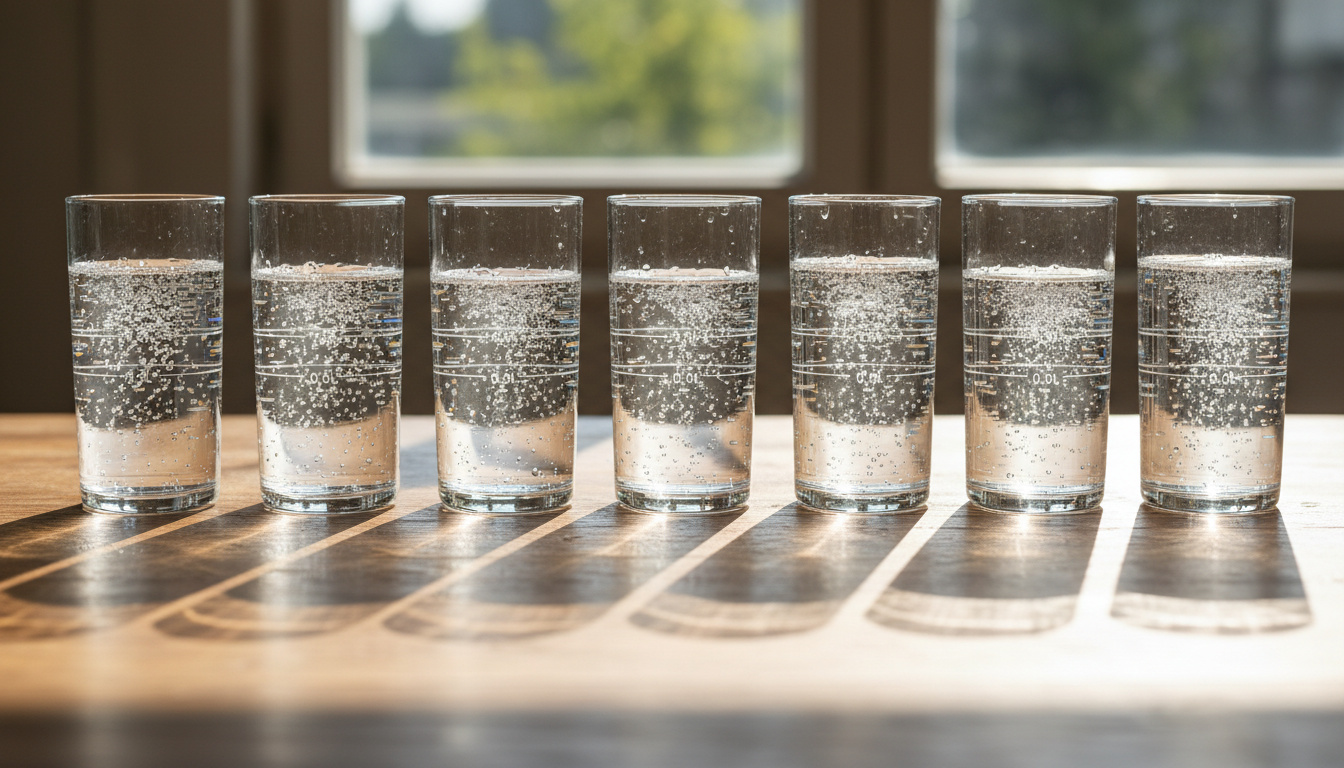
Daily water requirements remain one of the most searched health topics, yet individual needs vary significantly based on physiology and lifestyle. Medical authorities establish baseline figures, but these serve as starting points rather than universal mandates. Understanding the difference between total fluid intake and pure water consumption clarifies much of the confusion surrounding hydration goals.
The Mayo Clinic guidelines recommend approximately 2.7 liters for women and 3.7 liters for men daily, measurements that include all beverages and food moisture. These figures account for water lost through respiration, perspiration, and normal metabolic functions. Individual circumstances including climate, physical activity, and health status necessitate adjustments to these baselines.
Proper hydration supports cellular function, temperature regulation, and waste elimination. While the body signals dehydration through thirst, this mechanism often activates only after fluid deficits begin affecting performance. Monitoring urine color provides a more reliable indicator—pale straw or lemonade shades suggest adequate hydration, while darker tones indicate insufficient fluid intake.
How Much Water Should You Drink a Day?
General Adult Baseline
2–3 litres daily serves as the standard reference range for healthy adults, accounting for approximately 20% of intake from food sources.
Women
2.7 litres (11.5 cups or 91–92 ounces) total fluid intake, with approximately 9 cups coming from beverages.
Men
3.7 litres (15.5 cups or 124–125 ounces) total fluid intake, with approximately 13 cups coming from beverages.
Active or Pregnant
Requirements increase by 20–50% depending on exercise intensity, ambient temperature, altitude exposure, or gestational status.
- Thirst indicates existing dehydration rather than impending need
- Urine color provides reliable hydration status feedback—aim for straw or lemonade hues
- Approximately 20% of daily fluids typically derive from food moisture
- The “8×8” rule offers a baseline minimum of 64 ounces, not a total ceiling
- Climate and altitude substantially alter requirements through increased perspiration
- Caffeine and alcohol consumption increases water needs due to diuretic effects
- Minimum thresholds stand at 9 cups for women and 12 cups for men
| Group | Litres | Ounces | Cups | Source |
|---|---|---|---|---|
| Adult Women (total fluid) | 2.7 L | 91–92 oz | 11.5 | Mayo Clinic |
| Adult Men (total fluid) | 3.7 L | 124–125 oz | 15.5 | Mayo Clinic |
| Women (beverages only) | ~2.1 L | ~72 oz | 9 | Mayo Clinic |
| Men (beverages only) | ~3.0 L | ~104 oz | 13 | Mayo Clinic |
| Minimum baseline (8×8 rule) | 1.9 L | 64 oz | 8 | Mayo Clinic Diet |
| Hot weather/exercise | +0.5–1 L | +16–32 oz | +2–4 | Mayo Clinic |
How Much Water in Litres, Ounces or Other Units?
Understanding measurement conversions eliminates confusion when interpreting guidelines across different health systems. Medical recommendations typically use millilitres or litres in European and UK contexts, while North American sources prefer fluid ounces and cups.
Converting Between Metric and Imperial
One litre equals exactly 1,000 millilitres or approximately 33.8 US fluid ounces. When guidelines specify “cups,” they refer to standard 8-ounce measurements rather than imperial cup variations or metric cups. For practical application, men requiring 3.7 litres daily consume roughly 15.5 standard cups, while women requiring 2.7 litres consume approximately 11.5 cups.
Standard glassware varies between 200–250 millilitres. To meet the 2.7-litre female requirement through beverages alone (approximately 2.1 litres), consumption of ten to twelve standard glasses proves necessary, significantly exceeding the traditional eight-glass baseline.
The Pint Measurement
UK audiences frequently reference pints when tracking fluid intake. One imperial pint contains 568 millilitres, while US pints measure 473 millilitres. The Mayo Clinic recommendation of 2.7 litres for women translates to approximately 4.7 imperial pints or 5.7 US pints of total fluid, though this includes moisture from food sources.
UK and NHS Guidelines: How Much Water Per Day?
Specific NHS guidelines did not surface in available research documentation, creating uncertainty regarding official UK-specific volumetric recommendations. While UK health authorities typically align with European recommendations of six to eight glasses daily, verification of current precise NHS thresholds requires direct consultation with official NHS publications.
Regional Variations in Recommendations
International guidelines converge around similar volumes despite differing measurement systems. The Mayo Clinic Minute documentation provides gender-specific figures that generally exceed older “8×8” recommendations, suggesting that traditional UK advice may represent minimum thresholds rather than optimal targets.
Personalized Water Intake: Calculator, Weight Loss and Pregnancy
Beyond population-level averages, individual physiology demands customized approaches. Body mass, metabolic rate, and specific health conditions alter baseline requirements substantially.
Body Weight Formulas
Some practitioners recommend calculating needs based on body weight, suggesting approximately one ounce of water per pound of body weight daily. A 150-pound individual would therefore target 150 ounces (4.4 litres) of total fluid, though this formula produces figures exceeding standard Mayo recommendations for larger individuals. Implementation guidelines suggest adjusting these figures based on activity levels and environmental factors.
Hydration needs increase during pregnancy and breastfeeding, though specific volumetric recommendations vary between individuals. Mayo Clinic sources indicate that gestational status and lactation substantially alter fluid requirements, necessitating medical consultation for establishing safe intake levels during these periods.
Weight Loss Considerations
Research did not yield specific NHS or Mayo Clinic guidelines linking 2-litre daily intake directly to weight loss outcomes. While water supports metabolic function and may reduce caloric intake when substituted for sugary beverages, specific weight loss protocols require personalized medical guidance rather than standardized volume targets.
No verified calculator formulas appeared in research documentation. Available tools may provide estimates, but they lack standardization against clinical evidence. Direct consultation with healthcare providers offers the only reliable method for establishing personalized targets, particularly for individuals with renal, cardiac, or metabolic conditions.
How Much Water Is Too Much? Myths and Limits
The “8×8” rule—eight 8-ounce glasses daily—functions as a practical minimum for average healthy adults rather than a comprehensive target. Updated guidance clarifies that total fluid intake typically exceeds this baseline, with individual variation accounting for specific circumstances.
Overhydration Risks
Excessive water consumption potentially leads to hyponatremia, a condition characterized by diluted blood sodium levels. Symptoms include confusion, nausea, and in severe cases, neurological complications. Research documentation did not provide specific volumetric thresholds for this risk, though Mayo Clinic sources recommend consulting doctors regarding personalized risks of excessive intake leading to electrolyte imbalance.
How Have Daily Water Recommendations Evolved Over Time?
- — The Food and Nutrition Board first suggests 2.5 litres daily, including water obtained from food sources, establishing the origin of modern hydration guidelines.
- — The National Academies publish evidence-based guidelines distinguishing between total water and beverage-only intake.
- — Gender-specific recommendations emerge, recognizing differential physiological needs between men and women.
- — Mayo Clinic Minute documentation formalizes the 2.7L/3.7L split between women and men.
- — Contemporary guidance shifts toward urine color monitoring and individualized assessment rather than rigid volume targets.
What Is Certain and Uncertain About Hydration Science?
Established Findings
- Women require approximately 2.7 litres total fluid daily
- Men require approximately 3.7 litres total fluid daily
- Approximately 20% of intake derives from food moisture
- Urine color reliably indicates hydration status
- Thirst represents a delayed dehydration signal
- Climate, altitude, and exercise increase requirements
Remaining Uncertainties
- Specific NHS volumetric recommendations require verification
- Standardized online calculators lack clinical validation
- Precise pregnancy and breastfeeding thresholds vary individually
- Exact volumetric limits for overhydration risk remain unspecified
- Weight loss specific protocols lack consistent documentation
Why Do Individual Water Needs Differ?
Physiological variation drives substantial differences in hydration requirements. Basal metabolic rate, body surface area, and renal function create individual baselines that population averages cannot capture. Environmental factors including ambient temperature, humidity, and altitude exposure modify these baselines further, with high-altitude environments increasing fluid needs through accelerated respiration.
Dietary composition also influences requirements. High-fiber diets necessitate additional fluid for proper digestive function, while high-protein or high-sodium intake increases renal water processing demands. Video guidance emphasizes that individuals consuming caffeine or alcohol must compensate with additional water to offset diuretic effects.
What Do Leading Medical Sources Recommend?
Mayo Clinic guidelines recommend a daily total fluid intake of about 2.7 liters for women and 3.7 liters for men, including water from beverages and about 20% from food. These amounts account for water lost through breathing, perspiration, urine, and bowel movements.
— Mayo Clinic Health System, Tips for drinking more water
Urine should be colorless or light yellow (straw/lemonade-colored); dark urine signals dehydration. Thirst is a late indicator—drink regularly with meals, during exercise, or when thirsty.
— Mayo Clinic, Water: Essential to your body
What Should Your Personal Daily Water Goal Be?
Start with gender-specific baselines—2.7 litres for women or 3.7 litres for men—then adjust for body size, activity level, and climate. Monitor urine color as a real-time indicator, aiming for pale straw hues. Implement practical strategies like carrying a reusable bottle and consuming water with each meal. For personalized recommendations, particularly during pregnancy, illness, or athletic training, consult healthcare providers to establish safe targets. Additional Tips for drinking more water provide actionable implementation strategies.
Frequently Asked Questions
How much water should you drink a day in pints?
The Mayo Clinic recommendation of 2.7 litres for women equals approximately 4.7 imperial pints or 5.7 US pints of total fluid, though this includes moisture from food. Men requiring 3.7 litres need roughly 6.5 imperial pints.
Is 2 litres of water a day enough for weight loss?
Research did not confirm specific weight loss benefits from 2-litre intake. While hydration supports metabolism, individual weight loss protocols require medical guidance beyond standardized volume targets.
What does the NHS specifically recommend for daily water intake?
Specific NHS volumetric guidelines did not appear in available research. UK authorities generally suggest six to eight glasses daily, but official NHS documentation should be consulted for current precise figures.
Can you drink too much water in one day?
Excessive consumption may cause hyponatremia, where diluted blood sodium creates health risks. Exact dangerous thresholds vary by individual; consult doctors regarding personal electrolyte imbalance risks.
Is the 8 glasses a day rule a myth?
The “8×8” rule functions as a baseline minimum (64 ounces) rather than a comprehensive target. Total fluid needs typically exceed this figure, varying by gender, size, and activity level.
How much water should pregnant women drink daily?
Requirements increase during pregnancy, though specific amounts vary individually. Mayo Clinic sources recommend consulting healthcare professionals to establish safe intake levels during gestation.
Are online water intake calculators accurate?
No standardized calculator formulas appeared in research documentation. Available tools provide estimates but lack clinical validation against evidence-based guidelines.

Arthur Oliver Howard Fletcher is a staff writer for NationalReport.uk, covering UK national news, politics, the economy and public services. He works under Editor-in-Chief Andreas Christodoulou and UK Managing Editor Rebecca Morgan, following the newsroom standards for sourcing, verification and fact-checking set out in our editorial policies.