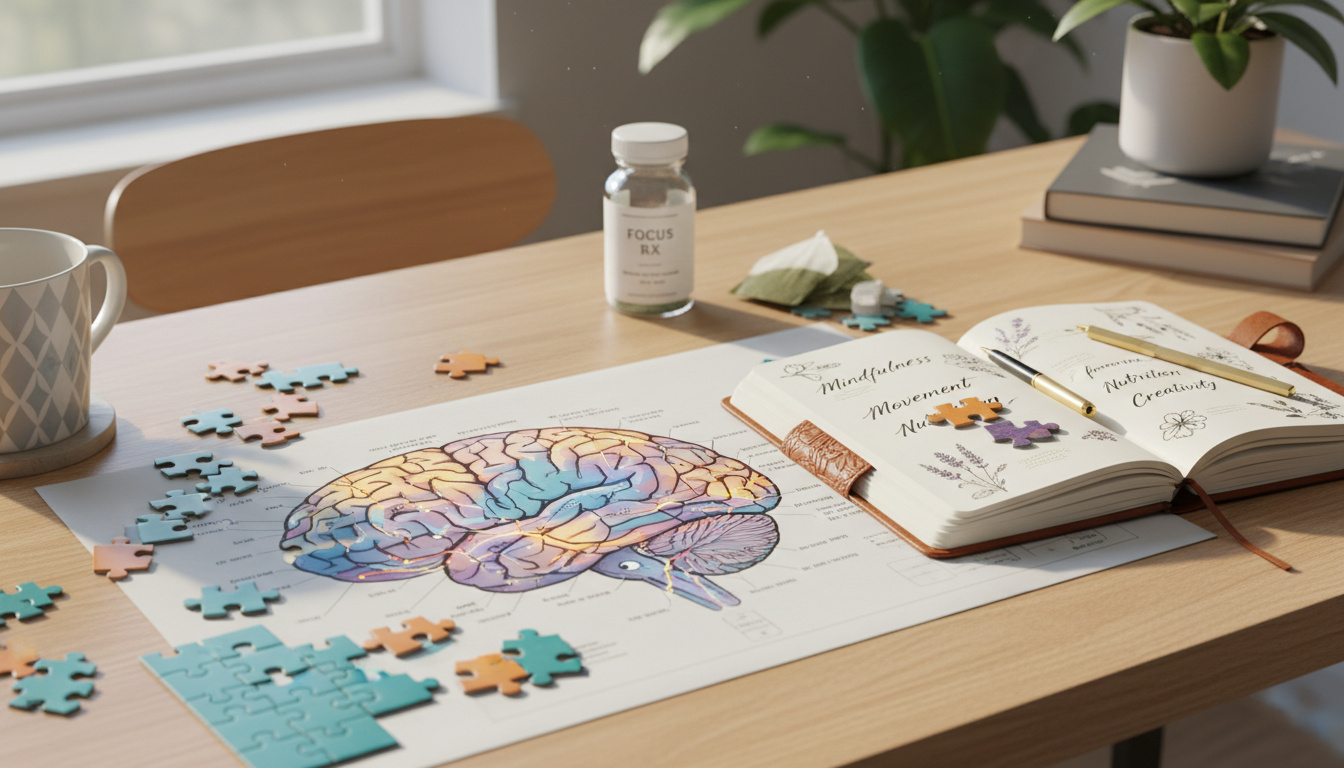
ADHD symptoms in women have gained increased attention as research continues to reveal their subtle and often internal nature. Recognizing and understanding these symptoms can transform the diagnostic process, therapeutic planning, and daily management for affected women. The interplay between clinical features, hormonal changes, and societal expectations makes this topic especially relevant.
Women with ADHD typically experience challenges far beyond traditional stereotypes, with issues like emotional dysregulation, disorganization, and difficulties with time management frequently overshadowed by compensatory strategies. This nuanced presentation requires a careful look at how symptoms manifest, how they are diagnosed, and what evidence-based interventions are available.
What are the common ADHD symptoms in women?
A brief summary of the common ADHD symptoms observed in women.
Key points on how ADHD is diagnosed, including common challenges and underdiagnosis issues.
An outline of medical and therapeutic interventions available for managing ADHD in women.
Tips and strategies for daily life adaptations and managing ADHD-related challenges.
- Symptoms in women tend to be more internalized than in men, focusing on inattention and emotional regulation rather than outward hyperactivity.
- Disorganization, impulsivity, mood swings, and fidgeting are common but frequently overlooked.
- Hormonal changes during the menstrual cycle, pregnancy, or menopause often intensify symptoms.
- Women often mask symptoms through compensatory coping mechanisms, complicating recognition.
- Co-occurring anxiety, depression, and low self-esteem are frequently seen alongside ADHD in women.
- Later diagnosis is typical, often triggered by persistent mental health challenges or life transitions.
- Effective management usually requires a combined approach involving medication, therapy, and lifestyle adjustments.
| Fact | Detail |
|---|---|
| Prevalence | Estimates suggest ADHD in women is underdiagnosed, with many cases emerging later in life. |
| Common Symptoms | Inattention, emotional dysregulation, impulsivity, and executive dysfunction. |
| Diagnosis Challenges | Symptoms in women are often subtler and misattributed to other conditions. |
| Treatment Options | Includes medication, cognitive behavioral therapy, and lifestyle modifications. |
How is ADHD diagnosed in women?
Evaluation and Diagnostic Criteria
Diagnosis of ADHD in women relies on comprehensive assessments that consider present and historical symptoms. Medical and developmental history, family feedback, ADHD rating scales, and exclusion of other conditions form the backbone of this process. Notably, there is no single confirmatory test; symptoms must be evident before age 12 for a diagnosis to be made, as outlined by leading psychiatric resources (American Psychiatric Association).
Barriers to Accurate Diagnosis
Women often experience diagnostic hurdles rooted in gender biases and the tendency to mask symptoms through coping strategies. Delays in referral are typical, often only occurring when conventional treatments for anxiety or depression prove ineffective (ADHD in Women: Research Insights on Symptoms and Treatment). Hormonal fluctuations may further obscure symptom history, making thorough developmental reviews essential.
Semi-structured interviews tailored to internalized symptoms are considered best practice for accurately identifying ADHD in women. Clinicians are also encouraged to screen for ADHD in women presenting with mood disorders unresponsive to standard interventions (Understanding the Diagnostic Challenges and Management of ADHD in Women).
What treatment and management options exist for women with ADHD?
Medication and Therapies
Treatment for ADHD in women is typically multimodal, integrating medication, therapy, and support structures. Stimulant medications remain a first-line option and show comparable efficacy in males and females, though women are less likely to start treatment early (Cleveland Clinic). Non-stimulant drugs or antidepressants may be considered, particularly during hormonal transitions such as the premenstrual phase or menopause.
Psychological Interventions
Cognitive behavioral therapy (CBT), skills training for organization and time management, and neurocognitive psychotherapy targeting memory and environmental restructuring are frequently recommended. A holistic approach that includes family and work accommodations is considered most effective (Psychiatry.org).
Medication regimens may be adjusted based on hormonal stage, with additional support recommended during high-stress periods or life transitions. Multimodal approaches integrating counseling, coaching, and workplace flexibility have shown improved outcomes according to recent research (CHADD).
Lifestyle and Long-Term Strategies
Management does not end with clinical treatment. Structured daily routines, time management techniques, minimizing distractions, and stress-reduction strategies build a solid foundation. Self-acceptance and post-diagnosis support often bring significant relief and improvement in daily functioning (NHS).
Viewing ADHD as a lifelong condition helps women navigate major life stages, including puberty, pregnancy, and menopause. Ongoing adjustment of treatment and management strategies is necessary for long-term well-being.
How do ADHD symptoms progress for women over time?
- Childhood: Early symptoms, such as mild inattention or fidgeting, often go unnoticed, particularly in school environments. (HelpGuide)
- Adolescence: Patterns of inattention, emotional variability, and mood swings begin to emerge more distinctly.
- Adulthood: Recognition increases as academic and professional pressures highlight difficulties with organization and concentration (Understanding the Diagnostic Challenges and Management of ADHD in Women).
- Ongoing: Lifelong management includes periodic reassessment and adaptation of treatment, especially around major hormonal changes.
What is certain and what remains unclear about ADHD symptoms in women?
| Established Information | Unresolved Questions |
|---|---|
| Extensive research confirms internalized symptoms and effective multimodal treatment approaches. | The reasons for frequent misdiagnosis and variability in symptom manifestation require further study. |
| Medication efficacy appears similar in women and men when dosing is tailored. | The long-term outcomes of late diagnosis and the impact of social factors are not fully understood. |
What factors influence how ADHD manifests in women?
Hormonal fluctuations are a major factor affecting ADHD symptoms in women. Estrogen and progesterone levels shift during menstrual cycles, pregnancy, and menopause, often intensifying core symptoms such as inattention or emotional instability. Social expectations and gender roles can also affect how symptoms are perceived, leading some women to develop coping mechanisms that mask the presence of ADHD, resulting in later or missed diagnoses. Delayed diagnosis is linked to an increased risk of additional mental health concerns and a negative impact on overall quality of life. Treatment protocols continue to evolve in line with ongoing research, emphasizing the importance of a tailored and flexible approach.
What do experts and major sources say about ADHD in women?
“Recognition of internalizing symptoms and a lifespan approach is essential for accurate diagnosis and effective management of ADHD in girls and women.”
Peer-reviewed expert commentary (Understanding the Diagnostic Challenges and Management of ADHD in Women)
“Underdiagnosis in women often leads to increased psychological distress and unaddressed comorbidities.”
Centers for Disease Control and Prevention resources
What are the main takeaways regarding ADHD symptoms in women?
Increasing awareness of ADHD symptoms in women helps address diagnostic gaps and enhance tailored management approaches. Comprehensive strategies combining medication, therapy, and supportive lifestyle changes are supported by current research. To deepen understanding, explore the resource (ADHD in Women: Research Insights on Symptoms and Treatment).
Frequently Asked Questions about ADHD Symptoms in Women
What lifestyle modifications can aid in managing ADHD symptoms in women?
How does stress exacerbate ADHD symptoms in women?
Are there specific challenges for women with ADHD in the workplace?
What role does diet play in managing ADHD symptoms?
How can family members support a woman diagnosed with ADHD?

Arthur Oliver Howard Fletcher is a staff writer for NationalReport.uk, covering UK national news, politics, the economy and public services. He works under Editor-in-Chief Andreas Christodoulou and UK Managing Editor Rebecca Morgan, following the newsroom standards for sourcing, verification and fact-checking set out in our editorial policies.