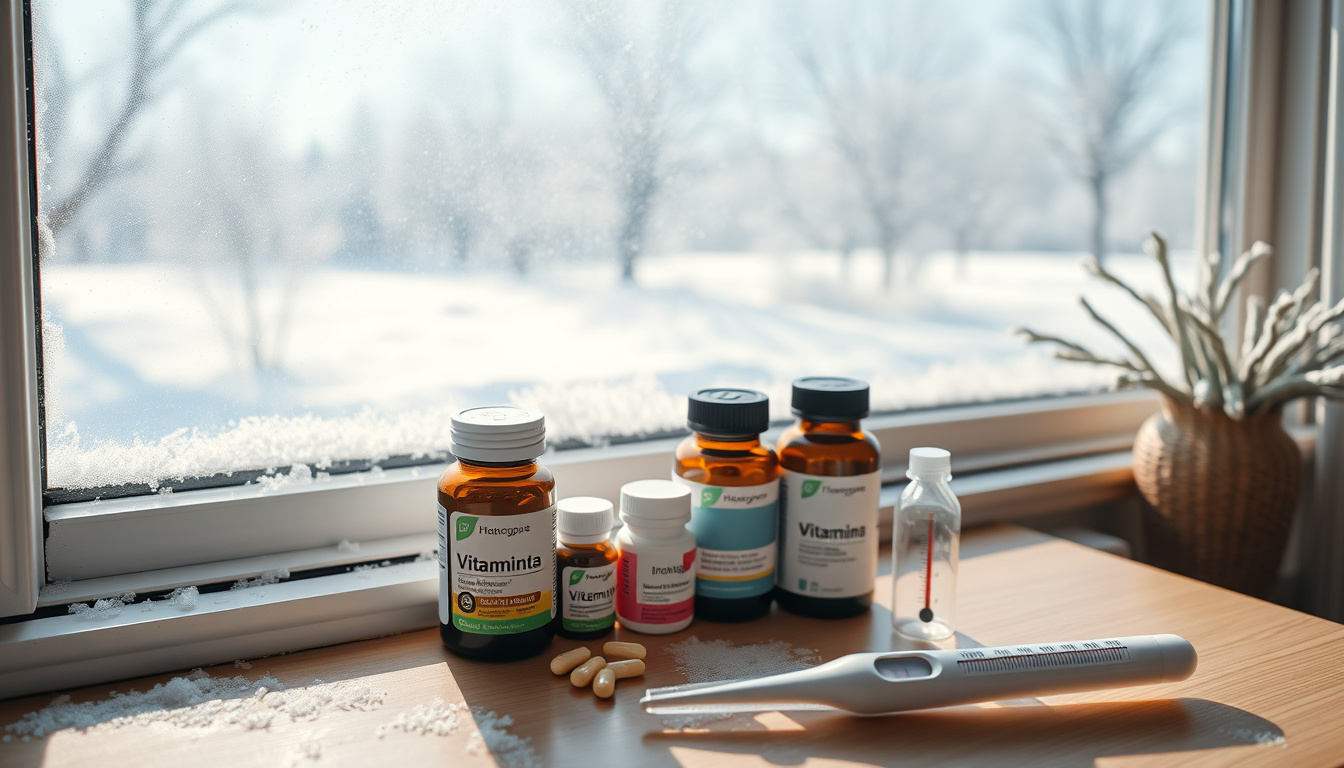
Feeling cold when others around you are comfortable is a common complaint that can point to underlying health issues. While room temperature and personal preference play a role, persistent cold intolerance often signals something more than simply being more sensitive to chilly conditions.
Medical professionals recognize several conditions that can leave someone perpetually chilled, ranging from thyroid disorders to nutritional deficiencies. Understanding why this happens requires examining how your body regulates temperature and what physiological processes might be disrupting that balance.
This guide explores the most common medical explanations for why you might always feel cold, what vitamin deficiencies could be involved, and when persistent cold intolerance warrants professional medical evaluation.
Why Am I Always Cold and Tired?
The combination of feeling cold and experiencing fatigue represents one of the most frequently reported symptom pairings in clinical settings. This pattern typically indicates metabolic or circulatory disruptions that affect both temperature regulation and energy production simultaneously.
Anemia, particularly iron deficiency anemia, ranks as the leading medical explanation for persistent cold intolerance accompanied by tiredness.
Cold hands and feet combined with low energy often points to poor oxygen delivery to tissues and extremities.
Sudden onset of cold intolerance alongside fatigue, dizziness, or heart palpitations may indicate acute anemia requiring prompt evaluation.
Blood tests checking hemoglobin, iron, ferritin, and vitamin B12 levels can quickly identify the most common treatable causes.
Key Insights About Cold Intolerance and Fatigue
- Hypothyroidism slows metabolic processes, generating less body heat while simultaneously depleting energy reserves
- Anemia reduces oxygen-carrying capacity, causing tissues to receive insufficient fuel for heat production
- Peripheral circulation problems sacrifice blood flow to hands and feet to preserve core temperature
- The shivering response requires significant energy expenditure, compounding feelings of tiredness
- Low body fat reduces natural insulation, making cold sensitivity more pronounced
- Type 2 diabetes can cause nerve damage that impairs temperature sensing and regulation
| Cause | Primary Symptoms | Risk Factors |
|---|---|---|
| Iron Deficiency Anemia | Cold extremities, fatigue, pale skin, brittle nails | Menstruation, vegetarian diet, GI bleeding |
| Hypothyroidism | Cold intolerance, weight gain, constipation, low heart rate | Female sex, age over 60, family history |
| Vitamin B12 Deficiency | Cold sensation, tingling hands and feet, weakness | Vegetarian/vegan diet, pernicious anemia, stomach surgery |
| Peripheral Artery Disease | Cold feet/toes, cramping when walking, skin changes | Smoking, diabetes, high cholesterol, age over 50 |
| Raynaud’s Phenomenon | Cold, numb fingers/toes, color changes, pain | Female sex, autoimmune conditions, cold climate |
| Kidney Disease | Feeling cold, waste buildup, reduced red blood cells | Diabetes, hypertension, family history |
What Vitamin Deficiency Causes You to Feel Cold?
Vitamin and mineral deficiencies represent some of the most treatable causes of persistent cold intolerance. When your body lacks essential nutrients involved in oxygen transport, nerve function, or metabolic processes, temperature regulation suffers as a consequence.
Iron Deficiency and Cold Intolerance
Iron deficiency stands as the most common nutritional deficiency worldwide. Without adequate iron, hemoglobin cannot form properly, and oxygen delivery throughout the body becomes compromised. This creates a cascade effect where tissues receive insufficient oxygen, reducing their ability to generate heat through normal metabolic processes.
The body responds to this shortage by prioritizing blood flow to vital organs, which means circulation to the hands and feet decreases significantly. This peripheral vasoconstriction explains why people with iron deficiency often report ice-cold extremities even when the rest of their body feels merely cool.
Vitamin B12 Deficiency Effects
Vitamin B12 plays a dual role in cold intolerance. First, it is essential for proper red blood cell maturation. When B12 levels are low, red blood cells become large and dysfunctional, making them poor carriers of oxygen through the bloodstream. Second, B12 maintains the myelin sheath that protects nerve fibers, and when this insulation is damaged, nerve signaling becomes impaired, including the nerves responsible for temperature sensation.
This combination creates a particularly uncomfortable situation where individuals may experience not just cold intolerance but also burning, tingling, or numbness alongside feeling cold.
Adults typically require 2.4 micrograms of B12 daily, with higher amounts needed during pregnancy and breastfeeding. Since B12 occurs naturally only in animal products including fish, meat, liver, eggs, and dairy, vegetarians and vegans face substantially elevated risk of deficiency without supplementation.
Other Deficiencies Contributing to Cold Sensitivity
Beyond iron and B12, folate and vitamin C deficiencies can also contribute to feeling cold. Low folate levels typically lead to anemia through the same mechanism as B12 deficiency, while vitamin C supports iron absorption in the gut.
If testing confirms low B12, increasing intake of eggs, fish, and chicken may help restore levels. For those following plant-based diets, fortified foods or supplements become essential since no natural plant sources contain bioavailable B12.
Why Am I Always Cold All of a Sudden?
Sudden onset cold intolerance differs from chronic cold sensitivity in important ways. While gradual development typically suggests progressive conditions like hypothyroidism or slowly developing anemia, sudden cold intolerance may indicate acute changes in blood flow, infection, or rapid metabolic shifts.
Sudden Cold Sensations at Night
Many people report feeling cold suddenly at night or waking up chilled. This phenomenon relates to natural circadian variations in body temperature. Core body temperature normally drops in the evening as part of the sleep-wake cycle, triggering feelings of coolness or prompting people to seek blankets. However, when this sensation becomes uncomfortably intense or disruptive to sleep, underlying factors may be amplifying the normal temperature decline.
Low blood sugar overnight, certain medications, and hormonal fluctuations can all make nighttime cold sensations more pronounced than they should be.
Shivering Episodes and Cold Spells
Episodes of intense shivering accompanied by feeling cold typically indicate the body’s thermoregulatory systems are activating. This happens when core temperature drops slightly below the set point, triggering involuntary muscle contractions to generate heat. For most people, adding a layer or moving to a warmer environment stops this response quickly.
When shivering occurs despite adequate environmental temperature, or when it happens alongside other symptoms like confusion, weakness, or rapid heartbeat, this warrants medical evaluation to rule out thyroid dysfunction, infection, or blood sugar abnormalities.
When Sudden Cold Intolerance Indicates Urgent Care
Certain patterns in sudden cold intolerance should prompt faster action. Diabetes and chronic kidney disease causing cold intolerance typically warrant higher urgency than other conditions on this list. If sudden cold intolerance occurs alongside excessive thirst, frequent urination, or swelling in the legs, these combination symptoms suggest the need for prompt medical assessment.
Seek medical attention if persistent cold intolerance combines with unexplained weight loss, heart palpitations, blood in stools, severe fatigue that interferes with daily activities, or if you notice your skin or nails changing appearance significantly.
Why Am I Always Cold When I Wake Up?
Waking up feeling cold has both physiological and environmental explanations. During sleep, blood pressure drops slightly and metabolic rate slows, allowing body temperature to fall. In a cool bedroom, this natural temperature dip can leave you feeling distinctly chilled upon waking before metabolism ramps up for the day.
Temperature Sensing Issues
Some individuals report feeling perpetually cold to the touch, with their skin noticeably cooler than others around them. This happens because conditions like Raynaud’s phenomenon and peripheral artery disease constrict blood vessels, reducing blood flow to the skin surface. When less warm blood reaches the skin, the external temperature of your body drops noticeably to touch.
Peripheral neuropathy from diabetes specifically impairs the nerves that detect temperature, creating a situation where temperature sensing becomes unreliable. People may feel cold when they are actually warm, or fail to notice dangerous cold exposure.
The Role of Body Composition
Body fat serves as natural insulation, and low body fat can contribute significantly to feeling colder than others in the same environment. This affects both men and women, though women typically have more subcutaneous fat distributed differently, which can create different patterns of cold sensitivity. Extremely low body fat from athletic training, eating disorders, or naturally slim builds can make temperature regulation more challenging.
Being very cold to the touch alongside symptoms like confusion, slurred speech, or inability to warm up despite blankets could indicate accidental hypothermia requiring emergency treatment, particularly in elderly individuals.
How Symptoms Develop and Progress
Understanding the timeline of symptom development helps distinguish between different causes of cold intolerance. Some conditions develop gradually over months or years, while others can manifest more rapidly.
Gradual Onset Conditions
Hypothyroidism typically develops slowly, with cold intolerance emerging gradually alongside other symptoms like weight gain, constipation, and fatigue. Without treatment, thyroid hormone levels continue declining, and cold intolerance typically worsens correspondingly over months. Similarly, iron deficiency anemia from dietary insufficiency may take years to develop significantly, while anemia from blood loss can progress more rapidly depending on the rate of blood loss.
Rapid Symptom Development
Conditions like acute infection, sudden blood loss, or severe nutritional deficiency can cause cold intolerance to develop relatively quickly, sometimes over days or weeks. Nighttime cold spells related to blood sugar fluctuations may appear suddenly when dietary patterns change or medications are adjusted.
- Week 1-2: Mild cold intolerance with subtle fatigue may appear with early iron or B12 depletion
- Weeks 2-8: Noticeable cold sensitivity develops alongside worsening fatigue as deficiencies progress
- Months 2-6: Peripheral symptoms become apparent including cold hands and feet, tingling sensations
- Months 6+: Systemic effects compound with additional symptoms like hair loss, nail changes, cognitive effects
- With treatment: Most symptoms improve within weeks to months depending on severity and underlying cause
What We Know Versus What Remains Uncertain
When evaluating cold intolerance, distinguishing established medical facts from areas of genuine uncertainty helps set realistic expectations for diagnosis and treatment.
| Established Information | Information That Remains Uncertain |
|---|---|
| Hypothyroidism directly causes cold intolerance through reduced metabolism | How much individual variation in cold tolerance is normal versus pathological |
| Iron deficiency anemia impairs oxygen delivery, causing cold sensation | Whether mild, subclinical deficiencies cause noticeable cold sensitivity |
| B12 deficiency damages nerve myelin, affecting temperature sensing | Optimal testing thresholds for B12 that correlate with symptoms |
| Peripheral vascular conditions reduce blood flow to extremities | Precise role of dehydration in individual cold sensitivity |
| Low body fat reduces natural insulation and heat retention | How much climate adaptation affects personal cold perception |
| Certain medications can affect temperature regulation | Interaction effects between multiple contributing factors |
Self-diagnosis based on symptoms alone is unreliable for cold intolerance causes. Blood tests and professional medical evaluation are necessary to confirm the underlying condition, as many different conditions share similar presentations.
Understanding Cold Intolerance in Context
Cold intolerance exists on a spectrum from normal variation to serious medical condition. What feels cold to one person may feel comfortable to another based on factors like body composition, metabolic rate, acclimatization, and individual sensitivity.
Research from medical institutions indicates that feeling cold significantly more than others around you warrants investigation, particularly when accompanied by other symptoms. The context of when and how the cold sensitivity occurs provides important diagnostic clues.
Environmental factors like air conditioning, drafty spaces, or seasonal weather certainly influence comfort, but persistent cold intolerance regardless of environmental temperature suggests an internal cause worth exploring with a healthcare provider.
Expert Perspectives on Cold Intolerance
When the thyroid gland does not produce enough thyroid hormones, which regulate metabolism and temperature, the body’s metabolic processes slow down, generating less heat and reducing energy production. This causes cells to run cold and slowly, creating the direct link between hypothyroidism and cold intolerance.
— Medical News Today, citing endocrinology sources
Vitamin B12 helps the body make red blood cells, nerves, and DNA. This vitamin comes exclusively from animal food sources including fish, meat, liver, eggs, and dairy products, meaning vegetarians are particularly at risk for deficiency.
— WebMD Health Information
Next Steps and Action Items
If you consistently feel cold, several concrete steps can help identify and address the underlying cause. Starting with basic blood tests provides valuable information about potential deficiencies or metabolic issues.
- Track symptoms in a journal noting when cold intolerance occurs, what other symptoms accompany it, and any patterns related to meals, sleep, or activity
- Request blood tests checking hemoglobin, ferritin, iron studies, B12, folate, and thyroid function from your healthcare provider
- Review medications with your doctor to determine whether any prescriptions might affect temperature regulation
- Consider dietary assessment focusing on iron and B12 sources, particularly if you follow a vegetarian or vegan diet
- Monitor vital signs including blood pressure, heart rate, and weight changes to identify patterns
- Schedule evaluation if cold intolerance persists beyond seasonal adjustment or worsens over time
For those experiencing related symptoms like fatigue, exploring Restless Leg Syndrome Treatment options may provide additional relief, as sleep disruption from restless legs can compound feelings of coldness and tiredness. Similarly, understanding how Is Lemon Water Good for You could affect nutrient absorption may be relevant for those addressing iron or vitamin C intake.
Frequently Asked Questions
Why am I always cold in the UK specifically?
UK-specific factors include older housing stock with less insulation, damp climate affecting perceived temperature, and potentially lower indoor heating standards. However, if cold intolerance feels disproportionate to environmental conditions, an underlying medical cause should be investigated regardless of geographic location.
Why do I suddenly feel cold at night?
Nighttime cold sensations often relate to natural drops in core body temperature during sleep, low blood sugar from not eating for extended periods, or medications that affect thermoregulation. If nighttime cold intolerance is severe or disrupts sleep regularly, medical evaluation can identify contributing factors.
Can dehydration make you feel cold?
Yes, dehydration affects blood volume and circulation, which can impair the body’s ability to distribute heat effectively. When blood volume is low, the body may prioritize vital organs over extremities, making hands and feet feel cold while potentially creating overall temperature dysregulation.
Is feeling cold a sign of infection?
Fever often begins with chills and feeling cold before body temperature rises. However, persistent cold intolerance without fever or acute illness typically indicates a different cause than infection. Consult a healthcare provider if cold intolerance accompanies fever, unexplained weight loss, or other concerning symptoms.
Can anxiety cause cold intolerance?
Anxiety triggers the fight-or-flight response, which causes blood vessels in extremities to constrict as the body prepares for threat. This can create cold hands and feet during anxious episodes. However, chronic anxiety typically causes more variable temperature effects rather than persistent cold intolerance.
Why are my hands always cold but my body is warm?
Cold hands with warm body typically indicate peripheral circulation issues like Raynaud’s phenomenon, peripheral artery disease, or the body’s normal prioritization of blood flow to core organs during certain conditions. This pattern often appears with iron deficiency or vascular conditions.
How long does it take to stop feeling cold after treating anemia?
With appropriate treatment, many people notice improvement within 2-4 weeks as iron or B12 levels begin normalizing. Full resolution of symptoms typically occurs within 2-3 months, though nerve-related symptoms from B12 deficiency may take longer to fully resolve if damage was significant.

Arthur Oliver Howard Fletcher is a staff writer for NationalReport.uk, covering UK national news, politics, the economy and public services. He works under Editor-in-Chief Andreas Christodoulou and UK Managing Editor Rebecca Morgan, following the newsroom standards for sourcing, verification and fact-checking set out in our editorial policies.