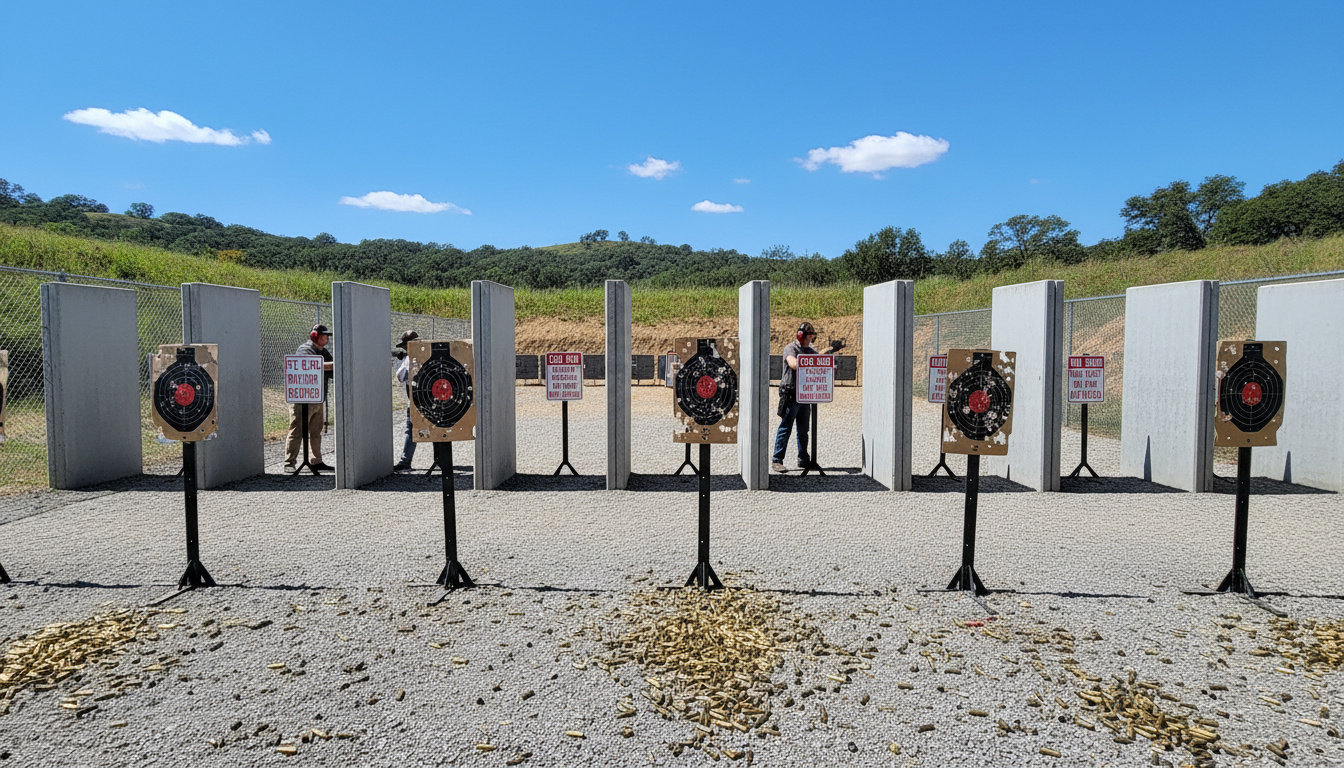
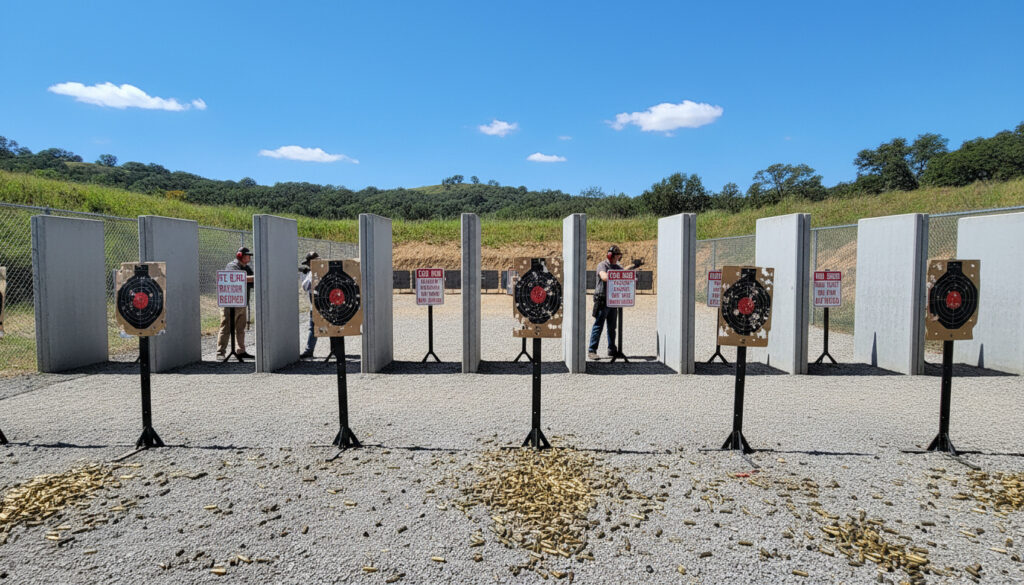
Searching for a shooting range near you typically means locating a safe, regulated facility for practicing pistol, rifle, or shotgun disciplines. Most metropolitan areas across the United States host multiple public options, from climate-controlled indoor lanes to expansive outdoor sporting grounds, usually within a twenty-minute drive of residential centers.
Commercial ranges operate on varied business models. Some charge hourly lane fees while others sell day passes or annual memberships. Understanding these structures, along with safety protocols and equipment requirements, ensures a productive first visit.
Regulations governing transport, age limits, and permissible ammunition vary significantly by state and local jurisdiction. Always verify specific requirements with your chosen facility before arriving.
How to Find a Shooting Range Near Me
Locating an appropriate facility requires matching your shooting goals with the range’s available amenities. Urban dwellers typically prioritize indoor centers with rental inventories, while rural shooters may seek outdoor distances exceeding one hundred yards.
| Range Type | Typical Cost | Best Suited For | Common Location |
|---|---|---|---|
| Indoor Commercial | $17–$25/hour | Handgun practice, tactical rifles | Urban/Suburban |
| Outdoor Sporting | $15–$30/hour | Shotgun sports, long-range rifle | Rural/Suburban fringe |
| Public Agency | $0–$15/day | Hunting preparation, families | State Wildlife Areas |
| Private Club | $300–$800/year | Competition, advanced training | Membership zones |
When evaluating proximity, consider that dedicated indoor facilities often cluster near population centers, while outdoor shotgun clubs and rifle ranges require larger land footprints and sit farther from city centers.
- Most commercial ranges maintain seven-day operating schedules with evening availability.
- Universal mandates require eye and ear protection for all persons in the shooting bay.
- Approximately 80 percent of public commercial ranges offer firearm rental services.
- Standard walk-in lane fees typically fall between $15 and $30 per hour.
- Military, law enforcement, and first responder discounts of roughly 10 percent are widely advertised.
- Unaccompanied minors are universally prohibited; supervised youth shooting generally starts between ages eight and twelve depending on state liability statutes.
- First-time visitors should budget $35 to $80 total for lane fees, basic equipment rental, and ammunition.
| Service or Feature | Typical Cost/Specification | Notes |
|---|---|---|
| Indoor lane rental (hourly) | $15–$30 per person | 17 to 25 yard distances standard |
| 100-yard indoor rifle lane | $30/hour | Premium offering at select facilities |
| Handgun rental | $15–$20 per session | Requires range-purchased ammunition |
| Unlimited rental pass | $20–$30 | Allows switching between multiple firearms |
| Annual individual membership | $360–$550/year | Often includes unlimited lane time |
| Annual family membership | $720–$800/year | Includes guest privileges |
| Full-auto rental session | $60–$100 | Belt-fed or select-fire options |
| Archery lane (where offered) | ~$10/hour | Separate from firearm bays |
| Unlimited daily access | ~$12 flat rate | Rare promotional offering |
| Military/LE discount | ~10% or reduced daily rate | ID required at check-in |
Indoor vs Outdoor Shooting Ranges Near Me
The choice between enclosed and open-air facilities depends primarily on your preferred firearms and the shooting experience you seek. Each environment offers distinct operational characteristics and safety protocols.
Climate-Controlled Precision
Indoor ranges provide enclosed, HVAC-maintained environments generally optimized for handguns and standard rifles, with some accommodating shotguns. Mission Ridge Range and Buck & Doe’s exemplify modern indoor facilities offering multiple lanes—sometimes up to eighteen—with programmable targets and advanced lighting systems.
Indoor facilities maintain stable temperatures year-round, allowing consistent training regardless of weather conditions. Many feature advanced ventilation systems designed to manage lead exposure and powder residue.
These centers typically bundle services including firearm rentals, training classes, and retail ammunition sales under one roof. Shoot Smart operates on schedules such as 10:00 a.m. to 9:00 p.m. Monday through Thursday, with weekend openings at 9:00 a.m.
Expansive Field Opportunities
Outdoor ranges occupy larger properties accommodating shotgun sports—sporting clays, trap, and skeet—alongside long-range rifle disciplines. Defender Outdoors and similar facilities provide varied shooting positions and distances extending beyond typical indoor limitations. Many brands operate hybrid models with indoor pistol/rifle bays alongside separate outdoor shotgun or rifle areas.
Hours at outdoor facilities often follow seasonal patterns, with reduced availability during winter months or inclement weather. Always confirm current schedules directly with the range before departing.
Shooting Range Prices and Hours Near Me
Understanding fee structures prevents billing surprises. Ranges utilize varied pricing models including hourly lanes, flat daily rates, and tiered memberships.
Fee Structures and Rental Costs
Walk-in shooters typically encounter hourly rates between $16.99 and $25.00 for 45 to 60 minutes. Shady Oaks Gun Range charges $17.50 for 45-minute pistol sessions and $22.50 for rifle lanes, while Trigger Time offers unlimited daily access for approximately $12 per person.
Memberships alter the economics considerably. Annual plans ranging from $360 to $800 often eliminate lane fees entirely or reduce them by 50 percent. Family memberships typically cost $200–$300 more than individual plans but include guest passes and target discounts.
Rental Inventories and Restrictions
Handgun rentals generally run $15–$20 per session, with rifles starting around $20. Unlimited rental passes allow switching between firearms for roughly $20–$30. Full-automatic experiences, where legally available, command premium rates of $60–$100 per session depending on caliber.
A critical liability policy applies universally: ranges require ammunition purchased on-site for all rental firearms. This ensures compatible, factory-loaded cartridges and eliminates liability from hand-loaded or steel-core rounds.
Do Shooting Ranges Rent Guns and What to Bring
First-time visitors often lack personal firearms, making rental availability crucial. Simultaneously, understanding documentation and gear requirements streamlines check-in.
Rental Firearms and Ammunition Mandates
Buck & Doe’s and similar facilities maintain extensive rental walls featuring handguns, rifles, and sometimes belt-fed machine guns. Standard handgun rentals cost $15–$20, while premium unlimited passes run $19.99 to $30.
Most ranges prohibit steel-core, armor-piercing, or tracer ammunition. When renting firearms, facilities generally require purchasing ammunition on-site to ensure compatibility and liability coverage.
Required Documentation and Safety Equipment
Government-issued photo identification is mandatory for all shooters. Facilities require signed liability waivers acknowledging safety rules before lane assignment.
First-time shooters should request .22 LR caliber firearms. The reduced recoil and lower noise level help establish proper grip, stance, and trigger control fundamentals before progressing to larger calibers.
Eye and ear protection are universally mandatory. While many ranges rent or sell basic protection, personal fitted earmuffs provide superior comfort. Bring firearms unloaded and cased; if transporting your own weapons, verify your state’s vehicle transport laws regarding loaded versus cased status.
What to Expect During Your First Range Visit
Understanding the sequential process of a range visit reduces anxiety and improves safety compliance. Most facilities follow similar intake protocols regardless of geographic location.
- Present valid government-issued photo identification at the counter.
- Complete liability waivers and safety policy acknowledgments.
- Receive mandatory safety briefing covering range commands, cease-fire procedures, and emergency protocols.
- Obtain eye and ear protection, either personal or rented.
- Receive lane assignment and target setup assistance from range staff.
- Conduct supervised shooting session with range officers monitoring compliance.
- Follow cease-fire commands for target changes or checkout procedures.
Gritr Sports Range and similar facilities also offer birthday specials or first-timer packages that include complimentary lane time with equipment rental, though ammunition purchases remain separate.
Established Facts vs. Local Variations
While certain protocols remain constant across American ranges, significant variables depend on state legislation and facility-specific insurance policies.
| Generally Standard Nationwide | Varies by State or Facility |
|---|---|
| Mandatory eye and ear protection for shooters and observers | Minimum age for unsupervised shooting (ranges from 18 to 21) |
| Downrange muzzle discipline and finger-off-trigger rules | Permit requirements to possess firearms on premises |
| Prohibition of intoxication or impaired shooting | Magazine capacity limits or approved firearm lists |
| Lane fees averaging $15–$30 per hour | Transport requirements (loaded carry vs. cased transport) |
| Rental firearms available at 80%+ of commercial ranges | Permission to draw from holsters or engage in rapid fire |
The Context of Public Shooting Ranges
The United States hosts thousands of public and private shooting facilities across all fifty states. Indoor commercial ranges have proliferated in urban and suburban markets over the past decade, responding to increased demand for accessible training venues. Participation data indicates millions of adults engage in target shooting annually, with handgun and rifle practice representing significant recreational activity alongside hunting.
Many facilities maintain affiliations with the National Rifle Association, utilizing NRA-certified instructors for basic pistol, rifle, and shotgun courses. At the federal level, the Bureau of Alcohol, Tobacco, Firearms and Explosives (ATF) regulates ranges operating as Federal Firearms Licensees, particularly those selling firearms or transferring NFA items such as suppressors or machine guns.
For families considering alternative recreational activities, Yorkshire Wildlife Park Tickets – Price Guide For Families provides comparable planning information regarding outdoor entertainment venues, though located in the United Kingdom rather than the U.S. market.
Official Sources and Safety Guidelines
Industry standards derive from established safety organizations and federal regulatory frameworks.
Always keep the gun pointed in a safe direction. Keep your finger off the trigger until ready to shoot. Keep the gun unloaded until ready to use.
NRA Fundamental Safety Rules
Customers renting firearms for use on premises do not undergo federal background checks provided the firearm remains under range supervision and does not transfer to customer possession outside the facility. Purchase of firearms requires completion of ATF Form 4473 and NICS verification.
ATF Industry Guidance
State wildlife agencies additionally manage public shooting ranges on conservation lands, often offering lower-cost alternatives to commercial facilities while requiring hunters’ education certification for certain users.
Key Takeaways on Finding Your Local Range
Locating an appropriate shooting range requires verifying hours, pricing structures, and rental availability through direct contact or official websites. Budget $35–$80 for initial visits, prioritize safety equipment compliance, and confirm your state’s transport laws before carrying firearms to the facility. While shooting sports offer distinct recreational value, those seeking urban entertainment alternatives might consider Queens Skate Dine Bowl – London Venue and Queens NY Alternatives for indoor leisure options.
Frequently Asked Questions
Do I need a firearms license to shoot at a public range?
No federal license is required to rent and shoot under staff supervision. You must be legally eligible to possess firearms under federal and state law. Purchases require ATF Form 4473 and background checks.
Can I bring my own ammunition to the range?
Most ranges allow personal ammunition provided it contains no steel-core, armor-piercing, or tracer components. Rental firearms typically require range-purchased ammunition only.
What is the minimum age for children to shoot?
Minors must be accompanied by a parent or legal guardian. Specific age minimums vary by state and range policy, generally starting between eight and twelve years for supervised shooting.
Are private ranges better than public commercial ranges?
Private clubs often offer advanced facilities and priority access but require memberships and sponsorships. Commercial ranges provide walk-in accessibility and equipment rentals better suited for beginners.
How much should I budget for my first visit?
Expect $35–$80 total: $15–$25 for lane fees, $15–$20 for firearm rental, and $20–$40 for ammunition and targets. Memberships reduce costs for frequent visitors.
Do ranges offer classes for new shooters?
Yes. Most facilities provide basic handgun or rifle courses using certified instructors. Classes cover grip, stance, sight alignment, and safe handling protocols.
Can I rent a machine gun at a shooting range?
Select ranges offer full-automatic rentals where legally permitted, typically costing $60–$100 per session. These require close staff supervision and specific safety briefings.

Arthur Oliver Howard Fletcher is a staff writer for NationalReport.uk, covering UK national news, politics, the economy and public services. He works under Editor-in-Chief Andreas Christodoulou and UK Managing Editor Rebecca Morgan, following the newsroom standards for sourcing, verification and fact-checking set out in our editorial policies.