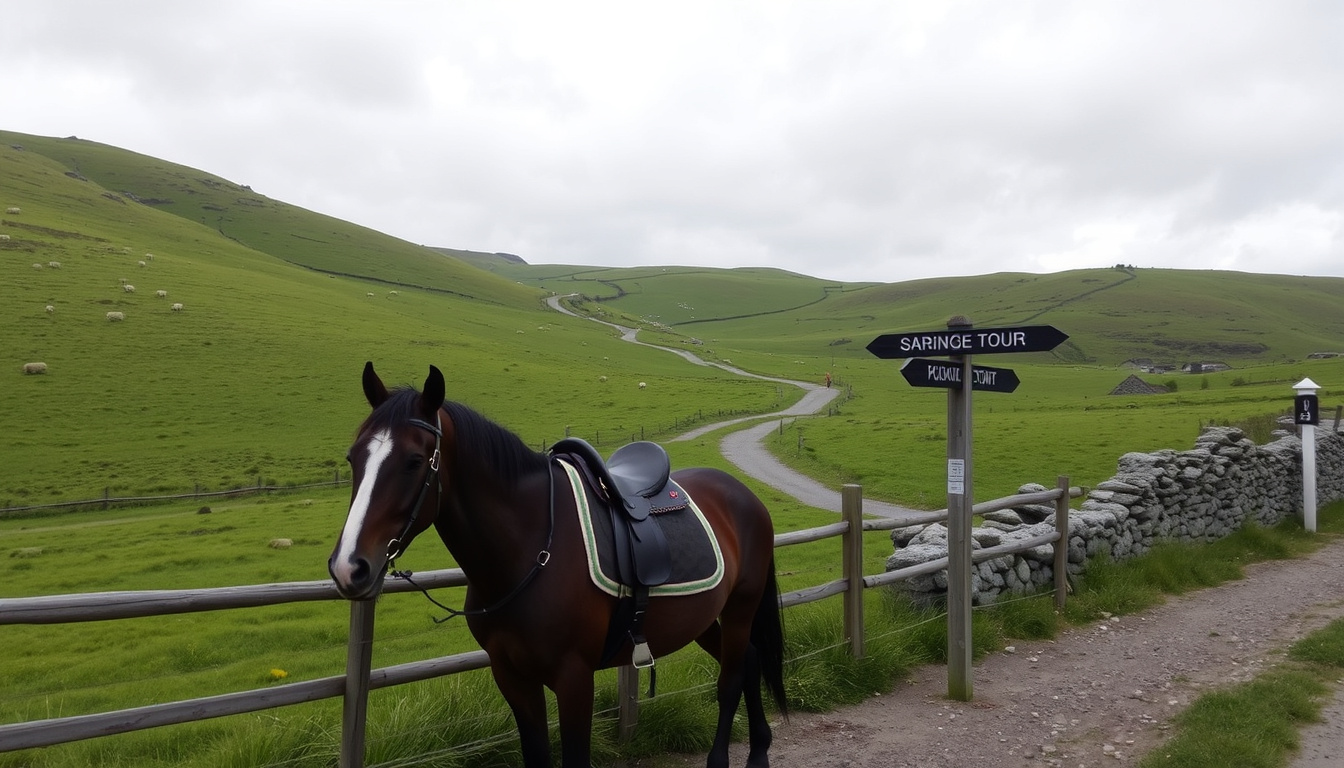
There’s something special about seeing Ireland from the back of a horse—the green fields, the coastal trails, and the sense of connection to a tradition that goes back centuries. But for anyone considering their first lesson or trek, practical questions quickly come to the surface—how much will it cost, what weight limits apply, and where are the best places to go—and this guide pulls together real prices from Irish riding centres, explains the 20% rule for rider weight, and points you to top locations across the country.
Average hourly lesson cost (Ireland): €45–€70 ·
Maximum rider weight for most horses: 85–100 kg (187–220 lb) ·
20% rule: Rider + tack ≤ 20% of horse’s weight ·
Number of horse-riding centres in Ireland: Over 60
Quick snapshot
- Lesson: €45–€70/hour (Donegal Equestrian Centre)
- Beach ride: €80–€150 (Dingle Horseriding Holidays)
- Buy a horse: €3,000–€8,000 (Donegal Equestrian Centre)
- 70 kg is safe for most horses (Donegal Equestrian Centre weight limit 105 kg)
- Rider + tack ≤ 20% of horse weight (Donegal Equestrian Centre weight limit 105 kg)
- Larger horses can carry more (Donegal Equestrian Centre weight limit 105 kg)
- Dublin: K Club, Corballis
- Cork: Hop Island, Inchydoney
- Killarney: National Park trails
- Galway: Connemara coast
- Basic control in 2–3 lessons (Dunbyrne Equestrian Centre intro session)
- Moderate physical demand (Dunbyrne Equestrian Centre intro session)
- Beginner lessons widely available (Dunbyrne Equestrian Centre intro session)
The table below summarizes key facts about horse riding in Ireland.
| Attribute | Value |
|---|---|
| Horse riding in Ireland | Over 60 approved centres |
| Old Irish word for horse | ech |
| Average riding horse cost | €3,000–€8,000 |
| Typical lesson cost | €45–€70/hour |
| 20% rule origin | Equine welfare standard |
| Donegal centre weight limit (lessons) | 105 kg |
| Dingle novice weight limit | 85 kg |
| Castle Leslie weight limit | 102 kg |
| Minimum age at Deanes Farm | 6 years old |
What is horse riding called?
Common terms for horse riding
Horse riding is also called horseback riding or equestrianism. The term “equestrianism” covers all riding disciplines, while “trail riding” and “trekking” are used for outdoor experiences. In Ireland, the phrase “horse riding” is the most common, and you’ll see it on signs from Donegal to Cork.
Different disciplines in equestrianism
- Dressage – precise movements on the flat
- Show jumping – clearing obstacles over a course
- Eventing – a combination of dressage, cross‑country, and jumping
- Trail riding – leisure riding on tracks and beaches
The implication: knowing the terminology helps you book the right experience. A “lesson” focuses on skill building, while a “trek” is a guided ride through scenery.
How much does horse riding cost in Ireland?
Average cost of a one‑hour lesson
Prices vary by region and centre. A one‑hour group lesson for adults typically costs between €35 and €70. For example, Athlone Equestrian Centre (midlands centre) charges €35 for adults, while Country Cottage Stables (County Wicklow) lists a group lesson at €60. Donegal Equestrian Centre (northwest centre) offers adult lessons at €35 and child lessons at €30.
Prices for trekking and beach rides
Longer experiences cost more. Dingle Horseriding Holidays (Kerry operator) prices the Shamrock Trail at €100 per person and the Gaeltacht River & Beach Trail at €210. Country Cottage Stables offers a 2‑hour forest or mountain trek for €80 per person. Donegal Equestrian Centre charges €55 for a single adult beginner experience.
Factors that affect price
- Location: popular tourist areas (Killarney, Dingle) tend to be pricier.
- Duration: 30‑minute taster sessions cost less; full‑day treks cost more.
- Group size: private lessons (€80–€90) cost more than group lessons (€35–€60).
The pattern: Ireland’s lesson prices are competitive with other European destinations, but the variability means it pays to compare centres in your chosen region.
Is 70kg too heavy to ride a horse?
Weight limits for different horse breeds
Most riding horses—such as Irish Sport Horses, Connemara ponies, and cobs—can comfortably carry a rider of 70 kg plus tack. Donegal Equestrian Centre (northwest centre) sets an upper weight limit of 105 kg for beginner experiences. Dingle Horseriding Holidays (Kerry operator) has a novice limit of 85 kg. Heavier riders may be paired with larger breeds such as draft crosses.
The 20% rule explained
Equestrian welfare standards state that the rider plus tack should not exceed 20% of the horse’s weight. For a 500 kg horse, that means a maximum combined weight of 100 kg. A 70 kg rider plus 10 kg of tack (80 kg total) is well within the safe range for most horses. Dunbyrne Equestrian Centre (Kildare school) enforces a 12‑stone (76 kg) limit for children’s riding.
How to check if a riding centre can accommodate your weight
- Contact the centre directly and ask for their weight limit.
- Be honest about your weight—centres enforce limits for safety and horse welfare.
- Some centres list limits on their websites, e.g., Castle Leslie (Monaghan estate) states a limit of 102 kg.
The catch: even if your weight is acceptable, the horse’s build and fitness matter. Centres match riders to suitable horses, so trust their assessment.
Where can I find the best horseback riding in Ireland?
Top‑rated centres in Dublin
The K Club in Kildare offers hotel‑and‑riding packages. Country Cottage Stables (near Dublin) provides lessons and treks in the Wicklow Mountains. Dunbyrne Equestrian Centre (Kildare) offers a 30‑minute “try it” session for children at €20.
Beach riding in Cork
Hop Island Equestrian Centre and Inchydoney Lodge & Spa offer beach rides along the Wild Atlantic Way. These are popular for both beginners and experienced riders.
Trail riding in Killarney National Park
Killarney Riding Stables provides guided tours through the national park, with views of lakes and mountains. Routes are suitable for all levels.
Horse riding Galway and other regions
Connemara coast rides are available through centres like Ballynahinch Castle. Dingle Horseriding Holidays covers the Kerry coast. Donegal Equestrian Centre offers beach rides in the north‑west.
What this means: Ireland’s variety of landscapes—beaches, mountains, national parks—means you can choose a setting that matches your riding preference. Check the Days Out in Ireland: Top Places, Free Activities & Hidden Gems guide for more ideas.
Is horseback riding hard to learn?
Learning curve for beginners
Basic skills—walking, steering, stopping—can be learned in two to three lessons. Dunbyrne Equestrian Centre requires beginners to start with a 30‑minute intro session before committing to full lessons. Balance and coordination improve over 10–20 hours of practice.
Basic skills required
- Mounting and dismounting safely
- Holding the reins and using leg aids
- Maintaining a balanced seat at walk and trot
How long to become competent
Most riders can manage a controlled walk and trot after a few lessons. Cantering and jumping require more practice. Castle Leslie’s learn‑to‑ride programme expects participants to be comfortable spending three hours a day in the saddle.
The implication: horse riding is a skill that rewards consistency. A weekly lesson over a few months will build confidence and competence.
Why do the Irish love horses?
Historical role of horses in Ireland
Horses have been part of Irish life for centuries. The old Irish word for horse is “ech,” reflecting the animal’s deep roots in Celtic culture. Horse racing and hunting have long been popular rural traditions.
Modern equestrian culture
Ireland is known for the Irish Sport Horse and the Connemara pony—both prized breeds. The country has a strong competition scene in eventing and show jumping. Donegal Equestrian Centre and other schools keep the tradition alive by offering lessons to all ages.
Iconic Irish horse breeds
- Irish Sport Horse – versatile, used in eventing and show jumping
- Connemara pony – hardy, intelligent, ideal for children and lightweight adults
- Irish Draught – strong, calm, used for heavy work and riding
The pattern: Ireland’s equestrian culture is not just a tourist attraction—it’s a living tradition that continues through breeding, competition, and recreational riding.
Pros and Cons of Horse Riding in Ireland
Upsides
- Accessible to beginners with many centres offering introductory lessons
- Stunning natural scenery—beaches, mountains, national parks
- Reasonable lesson prices (€35–€70) compared to other European countries
- Wide choice of locations from Donegal to Cork
- Cultural connection to Ireland’s horse‑loving heritage
Downsides
- Weight limits can exclude some riders (many centres cut off at 85–105 kg)
- Weather can be unpredictable, affecting outdoor rides
- Physical demands—sore legs and back after first few lessons
- Costs add up with regular lessons and gear (helmet, boots)
- Not all centres offer lessons in English if you’re in Gaeltacht areas
Weighing these pros and cons helps you decide whether horse riding in Ireland fits your travel plans and physical readiness.
Quotes from the experts
“Ireland offers an incredible variety of horse riding experiences, from beach rides in Donegal to trail rides in Killarney National Park. With over 60 approved centres, there’s a ride for every ability.”
Discover Ireland (official tourism board)
“The 20% rule is a key guideline for horse welfare. A rider’s weight plus tack should not exceed 20% of the horse’s weight to prevent strain and injury.”
British Horse Society (equestrian welfare organisation)
Summary
Horse riding in Ireland is an accessible and rewarding activity for beginners, with lesson prices ranging from €35 to €70 per hour and weight limits that accommodate most riders (70 kg is well within safe bounds). The key is to choose a reputable centre—check weight policies, read reviews, and pick a location that matches your ideal scenery. For the beginner rider in Ireland, the choice is clear: book a lesson at a centre like Donegal Equestrian Centre or Athlone Equestrian Centre, confirm your weight is within their limit, and start with a group lesson to keep costs low. Alternatively, a private lesson can accelerate your learning if your budget allows.
wordcurrent.uk, killegarstables.com, saddletravel.com, expedia.com, countrycottagestables.ie, globetrotting.co
Frequently asked questions
What is the best age to start horse riding?
Most centres accept children from age 6. Deanes Farm (Kildare) requires a minimum age of 6 for lessons.
How much weight can a horse carry?
It depends on the horse’s size and breed. The 20% rule is a general guideline: rider plus tack should not exceed 20% of the horse’s weight. Many centres set a limit around 85–105 kg.
Do I need my own riding helmet for lessons?
Most centres provide helmets, but it’s best to check in advance. Some centres require riders to wear approved helmets.
Can I go horse riding on a beach in Ireland?
Yes, many centres offer beach rides, especially in Donegal, Cork, and Kerry. Donegal Equestrian Centre and Dingle Horseriding Holidays have dedicated beach experiences.
Is horse riding safe for beginners?
Yes, when conducted at a reputable centre with trained instructors and suitable horses. Beginners start with basics like walking and steering under close supervision.
What should I wear for a horse riding lesson?
Long trousers, closed‑toe shoes with a small heel (or boots), and a helmet (provided). Avoid loose clothing that could catch on tack.
How long does a typical horse riding lesson last?
Most lessons are 30–60 minutes. Taster sessions may be 30 minutes, while full lessons are usually an hour.
Related reading
- Days Out in Ireland: Top Places, Free Activities & Hidden Gems – more ideas for Irish adventures.
- Alaskan Malamute Breed Guide: Temperament, Size, Barking & Care – for pet‑lovers interested in dog breeds.
These resources provide additional information for planning your trip.

Arthur Oliver Howard Fletcher is a staff writer for NationalReport.uk, covering UK national news, politics, the economy and public services. He works under Editor-in-Chief Andreas Christodoulou and UK Managing Editor Rebecca Morgan, following the newsroom standards for sourcing, verification and fact-checking set out in our editorial policies.