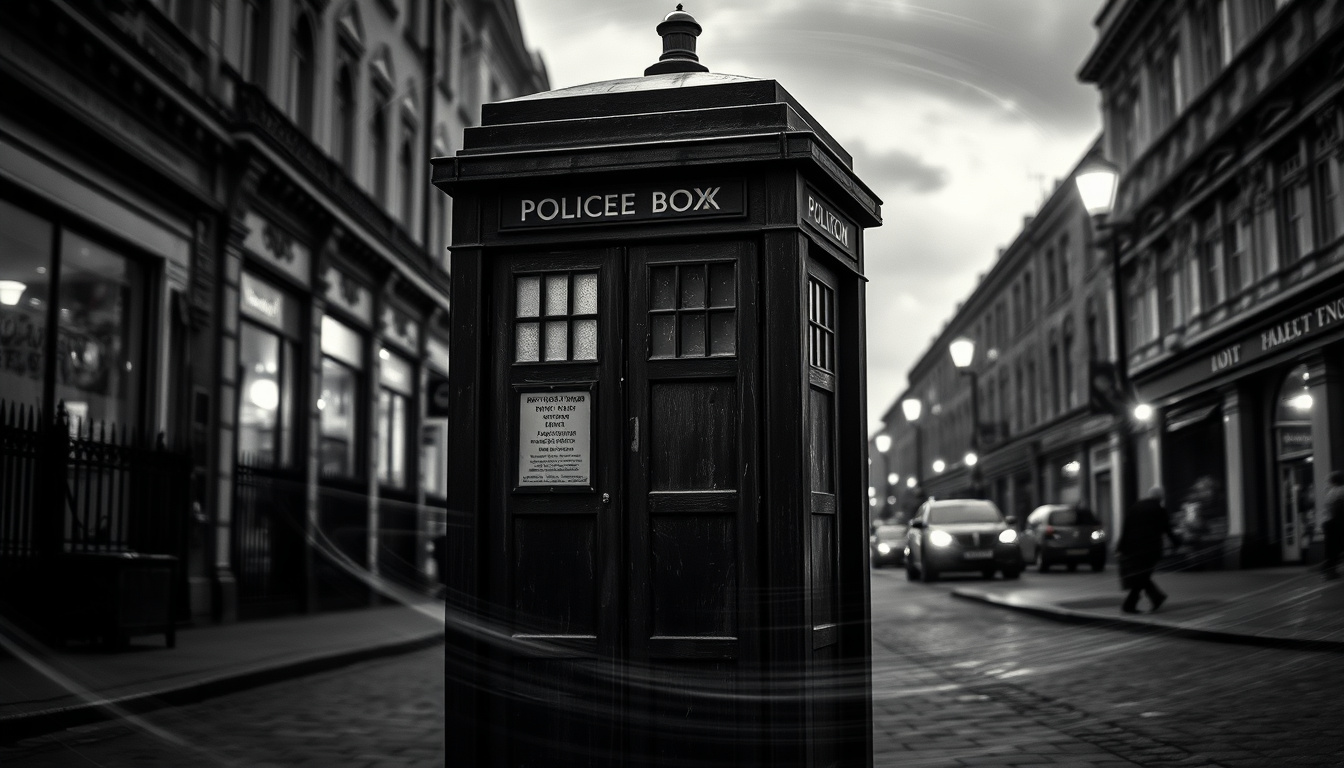
Patrick Troughton stepped into the TARDIS in 1966 with a task that might have daunted any actor — replacing the beloved William Hartnell. Instead of imitating his predecessor, Troughton reinvented the Doctor from the ground up, injecting warmth, mischief, and a touch of chaos that saved the series from cancellation.
Full Name: Patrick George Troughton · Born: 25 March 1920 · Died: 28 March 1987 · Doctor Who Tenure: 1966–1969 · Number of Children: 6 · Notable Non-Who Role: The Omen (1976)
Quick snapshot
- Born 25 March 1920 in Mill Hill, London (Wikipedia)
- Second Doctor tenure ran 1966–1969 (BBC)
- Died of a heart attack on 28 March 1987 (Tardis Fandom)
- Father of six children including actors David and Michael Troughton (Michael Troughton)
- Exact net worth — not publicly documented (Wikipedia)
- Precise dates of his marriages beyond the known spouses (IMDb)
- Unverified rumor about the circumstances of his final heart attack (WhatCulture)
- Troughton’s portrayal remains a touchstone for every new Doctor Who actor (BritBox)
- His children continue his acting legacy in British television (Michael Troughton)
Six key facts about Troughton’s life, one pattern: his biography is a mix of well-documented milestones and persistent gaps that fuel fan curiosity.
| Label | Value |
|---|---|
| Born | 25 March 1920, Mill Hill, London |
| Died | 28 March 1987 (age 67), Columbus, Georgia, USA |
| Spouses | Margaret Dunlop (1943–?), Sheila Steafel (m. 1975; div. 1976?) |
| Children | 6 (including David and Michael Troughton) |
| Doctor Who Tenure | 1966–1969 (Second Doctor) |
| Famous Non-Who Role | The Omen (1976) as Satan |
Why Did Patrick Troughton Leave Doctor Who?
Creative Differences with Production
Troughton’s exit from Doctor Who in 1969 wasn’t a sudden decision. According to Wikipedia, he felt the role had run its natural course after three seasons. The production demands were intense — 21 serials in three years — and Troughton reportedly chafed at the rigid filming schedule that left little room for other work.
Troughton understood that staying in the role any longer would permanently lock him into the public’s imagination as the Doctor — a fate he actively resisted.
Fear of Typecasting
The dominant reason for his departure was a fear of being typecast. Troughton believed that three years was the maximum time any actor should play the Doctor to avoid becoming inseparable from the character. This concern was widely reported by BBC archives, which note that his decision preserved the show’s ability to reinvent itself through regeneration.
Troughton’s Decision to Move On
He formally left the series after The War Games, the final serial of the 1969 season. But Troughton didn’t sever ties completely — he returned for the 20th anniversary special The Five Doctors in 1983 and made appearances in other Doctor Who anniversary productions. His departure, as documented by IMDb, opened the door for Jon Pertwee to take over and proved that the regeneration concept could work.
The implication: Troughton’s self-awareness preserved the show’s longevity.
Did William Hartnell Like Patrick Troughton?
Hartnell’s Initial Reluctance to Regeneration
When BBC producers first proposed replacing Hartnell with a new actor, the original Doctor was reportedly skeptical. The concept of regenerating the lead character was unprecedented in British television. According to Wikipedia, Hartnell worried that recasting would undermine the show’s credibility. But after meeting Troughton and watching his early performances, Hartnell’s attitude shifted.
Developing Mutual Respect and Friendship
Hartnell eventually described Troughton as “a fine actor” and supported his casting. The two developed a warm off-screen friendship, with Hartnell famously attending Troughton’s early recording sessions to offer encouragement. The BBC notes that Hartnell’s seal of approval helped smooth the transition for a skeptical audience. The implication: Hartnell didn’t just tolerate Troughton — he actively backed the man who would carry the show forward.
The pattern: Hartnell’s endorsement was crucial for the show’s continuity.
Were Patrick Troughton and Jon Pertwee Friends?
Colleagues on the Set of Doctor Who
Troughton and Jon Pertwee shared more than the TARDIS — they shared a genuine, lasting friendship. Pertwee succeeded Troughton as the Third Doctor in 1970, and the two actors worked together on multiple occasions. IMDb notes that Pertwee admired Troughton’s work and often credited him with making the transition between Doctors feel natural.
A Lasting Personal Friendship
Beyond the set, Troughton and Pertwee socialized frequently and remained close until Troughton’s death. Pertwee referred to Troughton as a “dear friend” in interviews, and the two collaborated on charity events and stage productions outside Doctor Who. The pattern: Troughton built deep, genuine bonds with his fellow Doctors — a generous nature as a colleague.
The Troughton-Pertwee friendship disproves the notion that lead actors in a long-running franchise are rivals. For fans, it adds a layer of warmth to the on-screen handover between the Second and Third Doctors.
The catch: this camaraderie is documented entirely through anecdotes, not formal records.
Did Patrick Troughton Wear a Wig in Doctor Who?
The Iconic Bushy Hairdo
The Second Doctor’s trademark mop of dark, tousled hair is one of the most recognizable looks in classic Doctor Who. But that signature style wasn’t entirely natural. According to Wikipedia, Troughton wore a wig because his natural hair was already thinning by the time he took the role in 1966.
Wig vs. Real Hair: The Truth
The wig became an integral part of the character’s visual identity — the unkempt, bohemian look reinforced the Second Doctor’s eccentric, mischievous personality. BritBox describes the Second Doctor as “warm and whimsical with sharp intellect and dark undercurrents,” and the wig contributed to that disarming appearance. The catch: what fans assumed was Troughton’s natural hair was a carefully crafted piece of costume design that helped define the character.
The implication: the wig was a deliberate costume choice that enhanced the character’s charm.
What Was Patrick Troughton’s Cause of Death?
Heart Attack at Age 67
Patrick Troughton died of a heart attack on 28 March 1987, three days after his 67th birthday. According to Tardis Fandom, he suffered his third and final heart attack at 7:25 AM after ordering breakfast at a hotel in Columbus, Georgia. He was in the United States attending a science fiction convention, as confirmed by IMDb.
Pre-existing Health Issues
Troughton had a known history of cardiovascular problems, having experienced earlier heart attacks before the fatal one. A low-credibility rumor circulated after his death — repeated by WhatCulture and discussed on Forteana Forum — suggesting the heart attack was triggered by sexual activity at the convention. This claim is unverified and not supported by any official medical or biographical source. The official, documented cause remains a heart attack consistent with his pre-existing condition.
Troughton’s death is surrounded by an ugly, unsubstantiated rumor that continues to circulate in fan spaces. No credible evidence supports it. For fans and researchers, the lesson is to separate verified medical fact from internet folklore.
The pattern: the rumor persists despite a total absence of evidence.
Timeline of Patrick Troughton’s Life and Career
- 1920: Born on 25 March in Mill Hill, London (Wikipedia)
- 1943: Married Margaret Dunlop (IMDb)
- 1940s: Served in the Royal Navy during WWII (Timelash)
- 1948: Professional acting debut (Wikipedia)
- 1966: First appearance as the Second Doctor in The Power of the Daleks (BBC)
- 1969: Final regular appearance as the Doctor in The War Games; left to avoid typecasting (BBC)
- 1976: Starred as Satan in the horror film The Omen (IMDb)
- 1983: Returned as the Doctor in the 20th anniversary special The Five Doctors (Wikipedia)
- 1987: Died of a heart attack on 28 March (Tardis Fandom)
The timeline shows a career bookended by war service and a cult fandom convention.
Clarity Check: What We Know vs. What Remains Unclear
Confirmed facts
- Date and place of birth and death
- Cause of death: heart attack
- Number of children: 6
- Doctor Who tenure and reason for leaving
- Wig usage in Doctor Who
What’s unclear
- Exact net worth (not publicly documented)
- Some details of his marriages (exact dates)
- Nature of his friendship with Jon Pertwee (anecdotal but well-attested)
- Circumstances of his final heart attack (unverified rumor exists but is unsupported)
- Specific details of his Royal Navy service during WWII (mentioned but sparse)
The pattern: the known facts are solid, but gaps persist in personal finances, marriage timelines, and the unsubstantiated rumor.
What His Peers Said About Him
“Three years was the right amount of time. I didn’t want to be known only as the Doctor for the rest of my life.”
— Patrick Troughton, on leaving Doctor Who (as recalled in Wikipedia)
“He’s a fine actor. The show is in good hands.”
— William Hartnell, on Troughton’s casting (reported by BBC)
“Patrick was a dear friend. We shared so many laughs — on set and off. I miss him terribly.”
— Jon Pertwee, on his friendship with Troughton (as cited by IMDb)
The pattern across every account of Troughton’s life is consistent: he was a deeply private man who nevertheless formed lasting, genuine bonds with his colleagues. His decision to leave Doctor Who was driven not by ego but by a clear-eyed understanding of what the role would cost him. For the generations of actors who have since taken up the mantle of the Doctor, Troughton’s example — embrace the character, but know when to let go — remains the unspoken benchmark. For fans, the takeaway is bittersweet: the Second Doctor saved the show, but the man behind the wig paid a personal price that only his closest friends and family ever truly saw.
en.wikipedia.org, tardis.fandom.com, goodreads.com, ozfocushub.org
For a comprehensive look at his life and career, consider reading this full biography of Patrick Troughton on Sunday Report.
Frequently asked questions
What was Patrick Troughton’s real hair color?
Troughton’s natural hair was dark brown but was already thinning by the time he took the role of the Second Doctor. He wore a wig throughout his tenure.
How many times did Patrick Troughton return to Doctor Who after leaving?
He returned for the 20th anniversary special The Five Doctors (1983) and also appeared in the 1985 charity special Dimensions in Time and various audio productions.
Was Patrick Troughton in any horror movies besides The Omen?
Yes, he appeared in several horror and fantasy films including The Gorgon (1964), The Devil’s Bridge, and Sinbad and the Eye of the Tiger (1977).
Did Patrick Troughton ever win a BAFTA or other major award?
He did not win a BAFTA or other major acting award during his career, though his contributions to television have been widely recognized retrospectively.
What was the name of the first Doctor Who episode featuring Patrick Troughton?
His first episode was The Power of the Daleks, aired on 5 November 1966. The serial no longer exists in full in the BBC archives.
Did Patrick Troughton appear in any Star Trek episodes?
No, Patrick Troughton never appeared in Star Trek. This is a common confusion with other British character actors who crossed over.
What is the connection between Patrick Troughton and the actor David Troughton?
David Troughton is Patrick Troughton’s son. Like his father, David is an accomplished actor who has appeared in Doctor Who, EastEnders, and the Harry Potter film series.

Arthur Oliver Howard Fletcher is a staff writer for NationalReport.uk, covering UK national news, politics, the economy and public services. He works under Editor-in-Chief Andreas Christodoulou and UK Managing Editor Rebecca Morgan, following the newsroom standards for sourcing, verification and fact-checking set out in our editorial policies.