
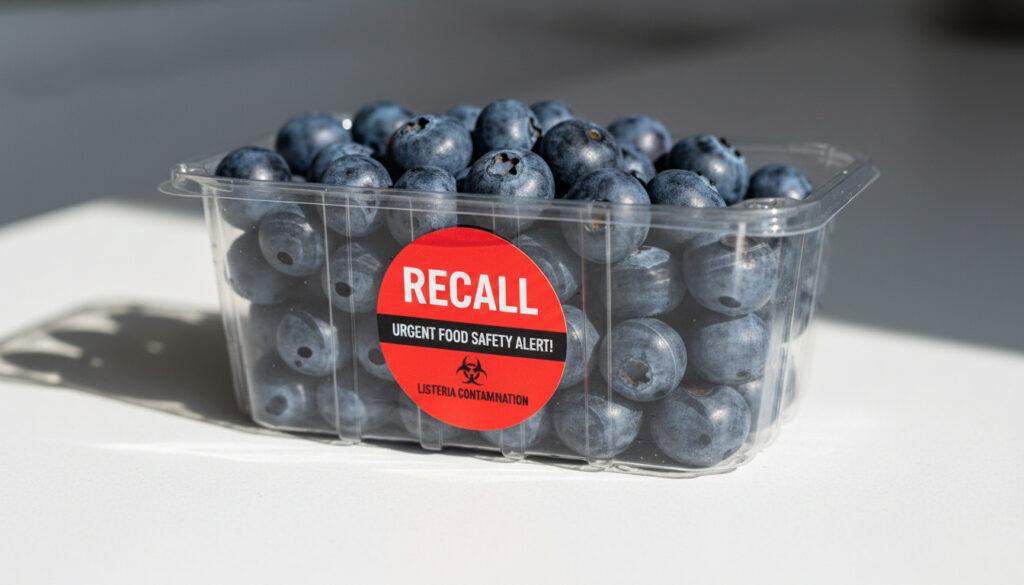
Alma Pak International, LLC initiated a voluntary recall of approximately 12,000 pounds of frozen organic blueberries after routine testing detected potential Listeria monocytogenes contamination. The FDA subsequently classified the event as a Class I recall, indicating a reasonable probability of serious adverse health consequences or death if consumed.
Despite the severity of the classification, the affected products never reached retail shelves. The bulk shipment was confined to a single distribution point in North Carolina, where all 400 boxes were recovered before entering the consumer market. No illnesses have been reported in connection with this contamination event.
The recall highlights ongoing vigilance within frozen produce supply chains. Food safety authorities continue monitoring as the Georgia-based company implements enhanced testing protocols and environmental surveillance measures.
Why Were Alma Pak Blueberries Recalled for Listeria?
- The recall affects frozen organic blueberries packed in 30-pound bulk boxes
- Routine company testing identified the pathogen before widespread distribution occurred
- FDA upgraded the classification to Class I, indicating potential for serious health consequences or death
- All affected inventory was recovered from a single distribution point in North Carolina
- No consumer illnesses have been reported in connection with the contaminated products
- Alma Pak International, LLC is headquartered in Georgia
- Follow-up environmental monitoring and testing have yielded negative results for Listeria
| Fact | Details |
|---|---|
| Distributor | Alma Pak International, LLC |
| Product Type | Frozen organic blueberries |
| Packaging | 30-pound bulk boxes |
| Total Quantity | 400 boxes (~12,000 pounds) |
| Lot Numbers | 13325 G1060, 13325 G1096 |
| UPC Codes | Not specified (bulk-packed) |
| Contaminant | Listeria monocytogenes |
| Detection | Routine internal testing |
| FDA Classification | Class I (highest risk) |
| Primary Destination | One customer in North Carolina |
| Retail Availability | None (fully recovered) |
| Reported Illnesses | Zero |
Which Products and UPC Codes Are Affected?
Identifying the Specific Lots
The recall targets two specific production lots of frozen organic blueberries: 13325 G1060 and 13325 G1096. Each unit consists of 30-pound bulk boxes designed for foodservice or industrial use rather than direct consumer sale. The packaging lacks retail branding, making lot numbers the primary identification method.
Absence of Consumer Identifiers
Unlike retail recalls that specify UPC codes for barcode scanning at checkout, this bulk shipment was not assigned consumer-level UPC identifiers. The absence of retail packaging means the products would not appear on store shelves with branded labels, instead shipping directly to processing facilities or wholesale distributors.
A separate 2021 Alma Pak recall involved frozen blackberries and mixed berries sold under the Great Value brand with specific UPC codes such as 078742-431017. That event involved norovirus contamination rather than Listeria, and affected consumer-packaged goods rather than bulk industrial shipments.
Where Were the Recalled Alma Pak Blueberries Sold?
Limited Distribution Scope
The entire shipment of approximately 400 boxes was delivered exclusively to a single customer located in North Carolina. This highly contained distribution pattern differs significantly from nationwide retail recalls that affect multiple grocery chains and thousands of storefronts.
Pre-Retail Recovery
All affected products were fully recovered before entering the retail market or reaching general consumers. The containment at the distribution level effectively eliminated public exposure risk, though the FDA maintains the Class I classification due to the inherent hazard of the pathogen itself.
What Are the Health Risks of Listeria Contamination?
Clinical Manifestations
Listeria monocytogenes infection typically presents with fever, muscle aches, headache, confusion, nausea, vomiting, and diarrhea. Symptoms generally emerge within one to four weeks of exposure, though incubation periods extending to 70 days have been documented, complicating traceability efforts.
Severity and Vulnerable Populations
The pathogen poses disproportionate risks to pregnant women, where infection can trigger miscarriage or stillbirth, as well as to newborns, elderly individuals, and those with compromised immune systems. Severe cases may progress to meningitis or septicemia, potentially resulting in death. Understanding How Long to Die From Sepsis provides context for the rapid progression possible in such systemic infections.
Pregnant women face particular danger from Listeria exposure, with infection potentially causing fetal loss or severe neonatal illness. Immunocompromised patients and adults over 65 face elevated mortality risks from invasive listeriosis, which can progress rapidly to life-threatening meningitis or bloodstream infections.
Listeria monocytogenes can survive and multiply in refrigerated conditions, and freezing temperatures merely inhibit rather than eliminate the pathogen. Thorough cooking can destroy the bacteria, but consumption of contaminated frozen berries without adequate heat treatment poses significant infection risks.
When Did the Alma Pak Recall Timeline Unfold?
- : Alma Pak initiates voluntary recall following positive Listeria detection during routine internal testing.
- : Company implements corrective actions, intensifies laboratory testing protocols, and initiates comprehensive environmental monitoring of processing facilities.
- : FDA upgrades classification to Class I, confirming reasonable probability of serious adverse health consequences or death.
- : Follow-up sampling demonstrates negative results for Listeria contamination, indicating remedial measures are effective.
What Remains Certain Versus Uncertain?
Established Facts
- Contamination confirmed in lot numbers 13325 G1060 and 13325 G1096
- Approximately 12,000 pounds of frozen organic blueberries recalled
- Distribution limited exclusively to one North Carolina customer
- All units recovered before retail sale; no consumer purchases occurred
- Zero reported illnesses linked to the recalled products
- Alma Pak headquarters located in Georgia
Unclear Elements
- Specific origin point of contamination within the supply chain
- Whether any product was consumed by the distributor before recovery
- Long-term efficacy of newly implemented safety protocols
- Projected timeline for formal recall closure
- Financial impact on the specific North Carolina distributor
How Does This Recall Compare to Other Berry Contamination Events?
This event stands distinct from a separate February 2026 recall involving Oregon Potato Company, which affected 55,689 pounds of frozen blueberries distributed throughout US and Canada foodservice channels. While both received Class I classifications for Listeria contamination, they involve unrelated supply chains, companies, and geographic scopes.
The current Listeria detection also contrasts with Alma Pak’s 2021 recall of frozen blackberries, which involved norovirus rather than bacterial contamination. That earlier recall affected retail-branded consumer packages with specific UPC codes, whereas the current incident involves unbranded bulk shipments lacking individual product identifiers.
Class I recalls remain relatively uncommon, reserved for situations where consumption carries reasonable probability of serious health consequences or death. The upgrade from voluntary recall to Class I status reflects the inherent severity of Listeria monocytogenes rather than the extent of public exposure, particularly given the successful containment of this specific shipment before retail distribution.
What Have Health Authorities Communicated About the Recall?
The FDA classified the Alma Pak recall as Class I on July 1, indicating a reasonable probability that the use of or exposure to the violative product will cause serious adverse health consequences or death.
— Prevention Magazine, citing FDA classification records
No illnesses have been reported to date in connection with this problem. However, consumers who have purchased these specific lot numbers should not consume them.
— Delish, paraphrasing company and FDA statements
What Is the Current Status of the Alma Pak Recall?
The Alma Pak International recall remains active as of summer 2025, though all affected frozen organic blueberries have been successfully recovered from the single North Carolina distribution point before reaching consumers. The company has implemented enhanced environmental monitoring and intensified testing protocols, with subsequent facility samples testing negative for Listeria monocytogenes. For information on pathogen containment protocols in similar public health scenarios, see TB Outbreak Response and Facts.
Frequently Asked Questions
What is Listeria monocytogenes?
Listeria monocytogenes is a bacterium that causes listeriosis, a serious infection typically contracted through contaminated food. It can survive freezing temperatures and poses severe risks to pregnant women, newborns, seniors, and immunocompromised individuals, potentially causing meningitis, miscarriage, or death.
Can I get a refund for recalled Alma Pak blueberries?
Since the products were bulk-packed and recovered before reaching retail, no consumer refunds are necessary. The shipment was contained at the distribution level. If you possess similar products from Alma Pak, contact them at 1-866-965-3896 for guidance.
How can I contact Alma Pak about the recall?
Consumers can reach Alma Pak International at 1-866-965-3896. This number is provided for food safety inquiries, though the company did not issue a specific consumer line for this bulk recall.
What should I do if I have symptoms of Listeria infection?
Seek medical attention immediately if you experience fever, muscle aches, headache, confusion, nausea, or diarrhea after consuming potentially contaminated products. High-risk individuals should consult healthcare providers promptly as symptoms can appear up to 70 days after exposure.
How does this recall differ from the 2021 Alma Pak blackberry recall?
The 2021 recall involved frozen blackberries contaminated with norovirus, sold under retail brands like Great Value with specific UPC codes. The current recall involves bulk organic blueberries contaminated with Listeria monocytogenes, lacking retail packaging or UPCs.
What distinguishes this from the Oregon Potato Company recall?
The Oregon Potato Company recall involved 55,689 pounds distributed to US and Canada foodservice outlets in February 2026. Alma Pak’s recall affected 12,000 pounds sent to one North Carolina customer, with no retail distribution.
Are frozen blueberries commonly associated with Listeria contamination?
While frozen berries have been involved in previous pathogen recalls, each incident involves specific supply chain factors. This recall was detected through routine testing before consumer exposure, indicating existing safety protocols functioned as intended.

Arthur Oliver Howard Fletcher is a staff writer for NationalReport.uk, covering UK national news, politics, the economy and public services. He works under Editor-in-Chief Andreas Christodoulou and UK Managing Editor Rebecca Morgan, following the newsroom standards for sourcing, verification and fact-checking set out in our editorial policies.