Every meal you eat travels through a 30-foot tube that scientists call the gastrointestinal tract — a system so intricate it houses 70% of your immune cells and 100 trillion bacteria. This guide walks you through how digestion actually works, why it sometimes fails, and what you can do today to keep it running smoothly.
Quick stats: Length of digestive tract: ~30 feet (9 meters) PMC • Complete digestion time: 24–72 hours NIDDK • Main parts: 7 Britannica • Immune cells in gut: ~70% PMC
What is the digestive system?
- Group of organs breaking down food NIDDK
- Absorbs nutrients and eliminates waste Britannica
- Includes GI tract and accessory organs StatPearls
Main parts
- Mouth, esophagus, stomach, small intestine, large intestine, rectum, anus NIDDK
- Accessory organs: liver, pancreas, gallbladder StatPearls
Digestion timeline
- Total: 24–72 hours NIDDK
- Stomach: 2–5 hours Britannica
- Small intestine: 2–6 hours Britannica
- Large intestine: 12–40 hours Britannica
Signs of poor digestion
- Bloating, gas, diarrhea, constipation NIDDK
- Heartburn, nausea, abdominal pain StatPearls
- Fatigue, food intolerances, skin issues PMC
Before diving into each part, here are key measurements that define your digestive system:
| Metric | Value | Source |
|---|---|---|
| Length of small intestine | About 20 feet (6 meters) | Britannica |
| pH of stomach acid | 1.5 to 3.5 | StatPearls |
| Number of gut bacteria | Over 100 trillion | PMC |
| Daily saliva production | 1 to 1.5 liters | NIDDK |
What is the digestive system?
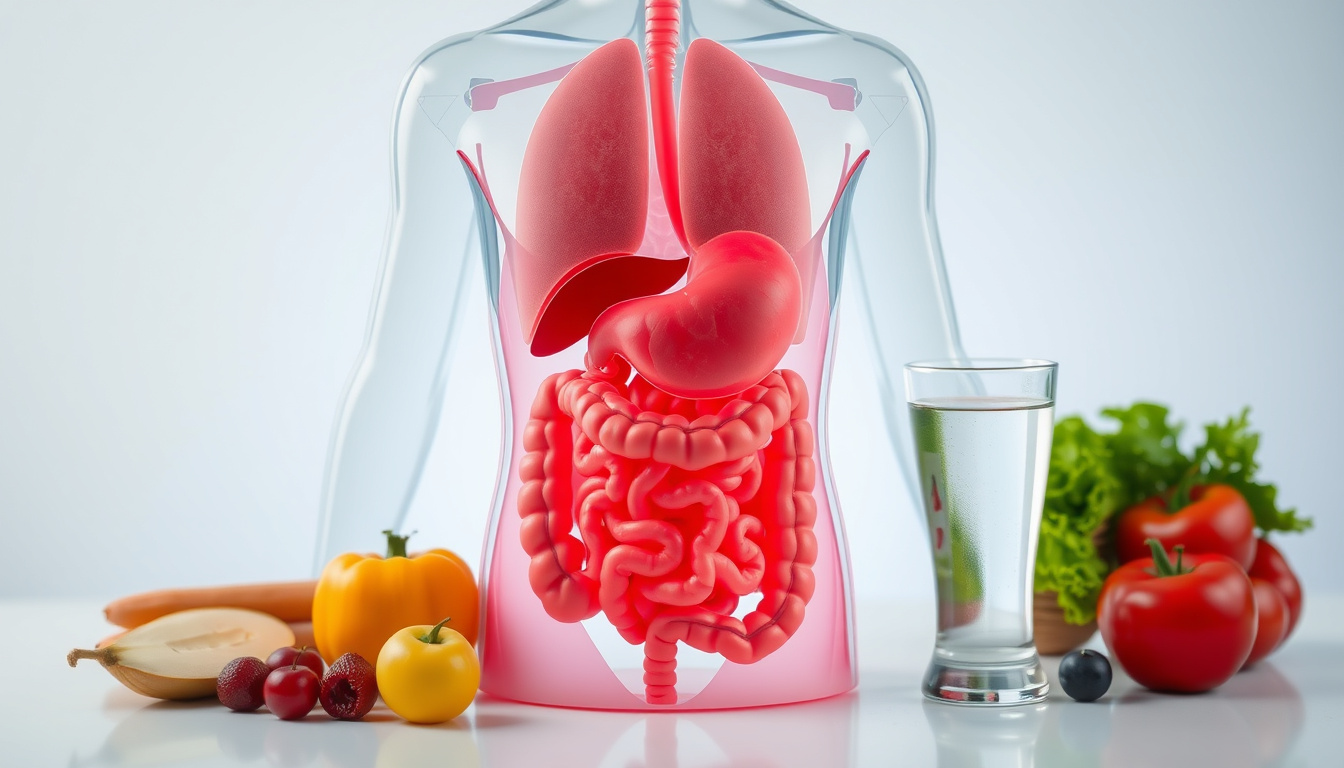
Your digestive system is a group of organs that work together to break down food, absorb nutrients, and eliminate waste. It includes the gastrointestinal (GI) tract — a long, twisting tube that runs from your mouth to your anus — and accessory organs such as the liver, pancreas, and gallbladder. NIDDK
How does the digestive system work?
Digestion begins in the mouth with chewing and the action of salivary enzymes. The food then moves through the pharynx into the esophagus, where peristalsis — rhythmic muscle contractions — pushes it toward the stomach. StatPearls In the stomach, gastric juices break down proteins and kill bacteria. The partially digested mixture then enters the small intestine, where most nutrient absorption takes place. What remains passes into the large intestine, which absorbs water and forms stool.
What are the 7 main parts of the digestive system?
The hollow organs that form the GI tract are seven: mouth, esophagus, stomach, small intestine, large intestine, rectum, and anus. Each has a distinct job. NIDDK
Mouth, esophagus, stomach, small intestine, large intestine, rectum, anus
- Mouth — teeth and tongue grind food; saliva begins starch digestion.
- Esophagus — muscular tube that transports food via peristalsis.
- Stomach — mixes food with gastric acid and enzymes; major chemical digestion of proteins begins here.
- Small intestine — three segments (duodenum, jejunum, ileum); primary site of digestion and nutrient absorption. Britannica
- Large intestine — includes cecum, ascending colon, transverse colon, descending colon, sigmoid colon; absorbs water and electrolytes, forms feces.
- Rectum — stores stool until defecation.
- Anus — terminal opening for waste elimination.
Accessory organs — the liver, pancreas, and gallbladder — are solid organs that supply digestive juices but are not part of the tube itself. StatPearls
“Your digestive system is a group of organs that work together to digest and absorb nutrients from the food you eat.”
How long does food take to digest?
Complete digestion — from mouth to elimination — takes 24 to 72 hours. The exact time depends on the meal’s composition, your metabolism, and your gut microbiome. NIDDK
Factors affecting digestion time
- High‑fat foods take longer in the stomach (up to 5 hours).
- Fiber slows gastric emptying but speeds colon transit.
- Stress and hydration status also affect movement.
Digestion timeline from mouth to colon
| Stage | Duration |
|---|---|
| Mouth and esophagus | Minutes |
| Stomach | 2–5 hours |
| Small intestine | 2–6 hours |
| Large intestine | 12–40 hours |
What are signs of poor digestion?
Your body sends clear signals when the digestive system is struggling. Recognizing them early can prevent chronic issues.
Four signs of poor functioning
- Persistent bloating or gas after meals
- Chronic constipation or diarrhea
- Heartburn or acid reflux more than twice a week
- Unexplained fatigue or unintentional weight changes
Six signs your gut is in trouble
- Bloating and gas
- Abdominal pain or cramping
- Diarrhea or constipation
- Nausea or vomiting
- Food intolerances (e.g., lactose, gluten)
- Skin issues (acne, eczema, rosacea)
Common signs of poor digestion
Beyond GI discomfort, poor digestion can show up as brain fog, joint pain, and frequent infections — all linked to inflammation triggered by a leaky gut. PMC
“The digestive system is made up of the gastrointestinal tract—also called the GI tract or digestive tract—and the liver, pancreas, and gallbladder.”
How do I get my digestive system back to normal?
If you’re experiencing persistent symptoms, start with evidence‑based lifestyle changes before reaching for supplements.
Dietary changes
- Eat more fiber: Aim for 25–35 g daily from whole foods (vegetables, fruits, legumes, whole grains). Soluble fiber feeds beneficial gut bacteria; insoluble fiber speeds transit.
- Stay hydrated: Water helps fiber work and keeps stool soft.
- Limit processed foods and added sugars.
Hydration
Drink 1.5–2 liters of water per day, more if you exercise or live in a hot climate. Dehydration slows peristalsis and hardens stool. NIDDK
Exercise
Moderate physical activity (30 min brisk walking, 5 days per week) stimulates natural bowel movements and reduces stress‑induced gut symptoms.
Probiotics
Fermented foods (yogurt, kefir, sauerkraut, kimchi) introduce live bacteria that can restore diversity. Start with small portions to avoid gas. For some people, probiotic supplements help, but strains matter — consult a healthcare provider. Britannica
When to see a doctor
Consult a physician if you experience severe pain, blood in stool, unexplained weight loss, or symptoms that last more than two weeks despite lifestyle changes.
ncbi.nlm.nih.gov, ncbi.nlm.nih.gov, kids.britannica.com, kids.britannica.com, ncbi.nlm.nih.gov, niddk.nih.gov, ncbi.nlm.nih.gov, britannica.com
Frequently Asked Questions
What is the role of the small intestine?
The small intestine is the primary site for digestion of nutrients and for absorption into the bloodstream. Its three sections — duodenum, jejunum, ileum — each contribute specialized enzymes and transport mechanisms. NIDDK
What are enzymes in digestion?
Digestive enzymes are proteins that break down food molecules — amylase breaks starches, proteases break proteins, lipases break fats. They are produced by the salivary glands, stomach, pancreas, and small intestine. StatPearls
Can stress cause digestive problems?
Yes. Stress triggers the release of cortisol and adrenaline, which can slow or speed up gut motility, increase acid production, and alter the microbiome. The gut‑brain axis explains why anxiety often accompanies IBS. PMC
What is the difference between soluble and insoluble fiber?
Soluble fiber dissolves in water, forming a gel that feeds gut bacteria and slows digestion (found in oats, beans, apples). Insoluble fiber does not dissolve and adds bulk to stool, speeding transit (found in wheat bran, vegetables). Both are essential. Britannica
How does the digestive system affect the immune system?
About 70% of your immune cells reside in the gut‑associated lymphoid tissue (GALT). A healthy gut lining and diverse microbiome train the immune system to distinguish friend from foe, reducing inflammation and allergies. PMC
What are common digestive disorders?
Common conditions include gastroesophageal reflux disease (GERD), irritable bowel syndrome (IBS), celiac disease, Crohn’s disease, ulcerative colitis, diverticulitis, and gallstones. Symptoms overlap, so professional diagnosis is essential. NIDDK
How does age affect digestion?
Aging reduces stomach acid production, slows peristalsis, and decreases gut microbiome diversity. The risk of constipation, diverticulosis, and nutrient malabsorption increases. StatPearls
What is peristalsis?
Peristalsis is the wave‑like muscle contraction that moves food through the digestive tract. It is controlled by the enteric nervous system and occurs throughout the esophagus, stomach, and intestines. NIDDK
Your digestive system is not a passive pipe — it’s a dynamic ecosystem that communicates with every organ in your body. Supplement companies and detox teas want you to believe that fixing digestion requires expensive products, but the evidence points to something simpler: eat whole plants, drink water, move your body, and pay attention to what your stomach tells you about your stress levels. For anyone tired of bloating and discomfort, the first step is not a pill — it’s understanding that your digestive system is the engine of your health, and you are the mechanic.

Arthur Oliver Howard Fletcher is a staff writer for NationalReport.uk, covering UK national news, politics, the economy and public services. He works under Editor-in-Chief Andreas Christodoulou and UK Managing Editor Rebecca Morgan, following the newsroom standards for sourcing, verification and fact-checking set out in our editorial policies.