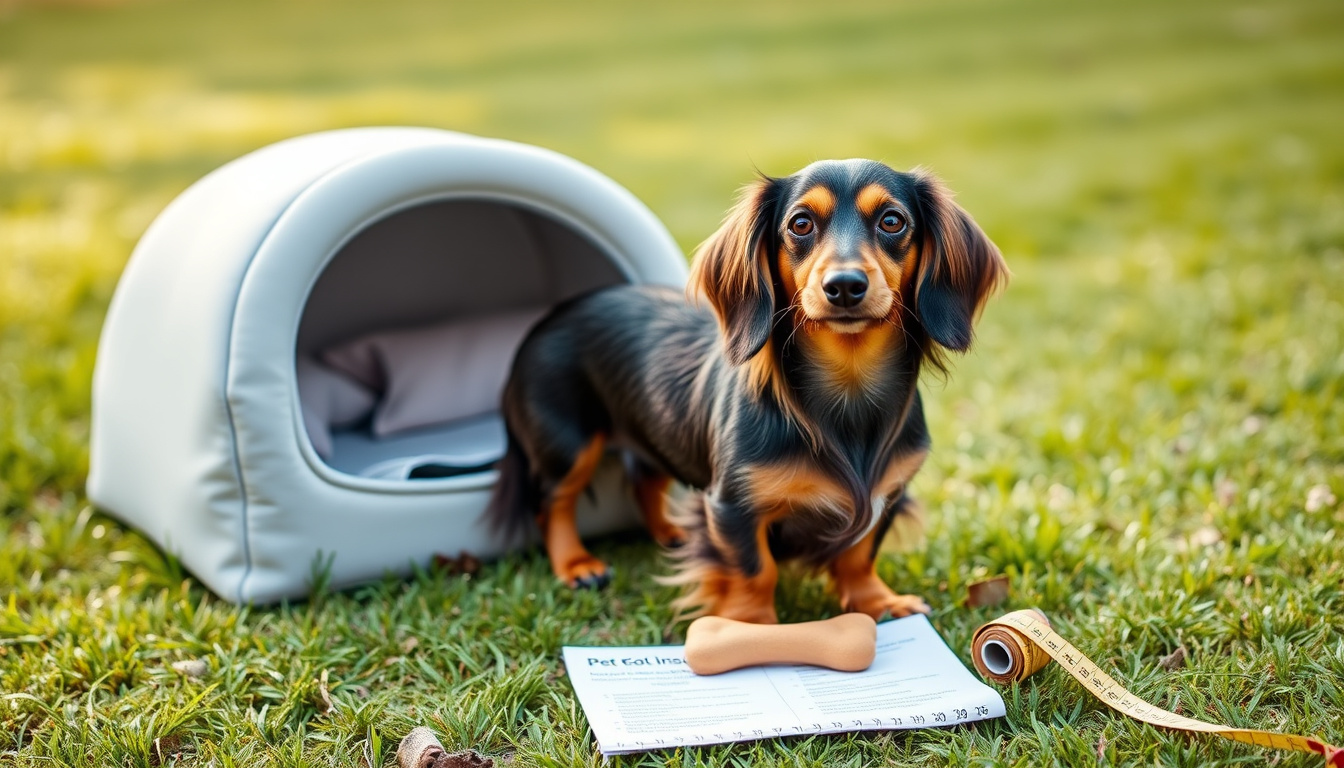
Few dog breeds inspire the devoted following of the Mini Dachshund—small enough to curl up on a lap, clever enough to keep you on your toes, and stubborn enough to test any owner’s patience. If you’re in Ireland and weighing whether a “doxie” fits your home, the real question isn’t just about cuteness: it’s about balancing health risks like IVDD, the reality of separation anxiety, and the full cost of ownership against the breed’s undeniable companionship.
Dog licence (annual): €20 ·
Insurance estimate: ~€300/year ·
Food estimate: ~€600/year ·
IVDD screening: recommended for Mini Smooth & Longhaired ·
Microchipping: ~€25
Quick snapshot
- Mini Dachshunds are prone to IVDD (Royal Kennel Club (breed health authority))
- They form strong bonds and often suffer separation anxiety when left alone for long hours (Dogs Trust Ireland (dog welfare charity))
- Irish dog licence: €20 per year (Citizens Information (Irish government service))
- Annual ownership costs estimated at ~€1,600 (Dogs Trust Ireland)
- Exact prevalence of IVDD in mini versus standard dachshunds is debated among veterinarians (Royal Kennel Club)
- Long-term cost comparisons between owning a mini dachshund and other small breeds are not widely published (Dogs Trust Ireland)
- IVDD screening recommended between 24 and 48 months of age (Royal Kennel Club)
- Registration fee for IVDD scheme: £40, plus radiography fees (~£320 + anaesthetic in NI) (Royal Kennel Club (health scheme details))
- Register your dog with Irish local authority (€20 individual licence) (Citizens Information)
- Schedule IVDD screening before age 4 (Royal Kennel Club)
- Budget for insurance and food (€300 + €600/year) (Dogs Trust Ireland)
A Mini Dachshund can be a wonderful companion, but the financial and emotional commitment is higher than many first-time owners expect. The biggest risk: IVDD surgery can cost thousands, and separation anxiety may require daily dog-walker fees of €10–€35.
| Attribute | Value |
|---|---|
| Weight (miniature) | 11 pounds (5 kg) or under |
| Height | 5–7 inches at shoulder |
| Coat types | Smooth, wirehaired, longhaired |
| Common health issue | Intervertebral disc disease (IVDD) |
| Temperament | Brave, curious, sometimes stubborn |
| Dog licence (annual) | €20 |
| Microchipping cost | ~€25 |
Are Mini Dachshunds Good Pets?
Mini Dachshunds are lively, curious, and form strong bonds with their family. Their temperament suits owners who enjoy an interactive, alert companion. However, they can be stubborn, which requires consistent training.
Temperament and personality
- Brave and curious—traits from their hunting heritage (Royal Kennel Club (breed standard authority))
- Loyal and affectionate with family, but wary of strangers
- Stubborn streak means positive reinforcement works best
Suitability for families
- Good with older children who respect their space
- Not recommended for homes with very young or boisterous kids
- Can be territorial and may not tolerate rough handling
Comparison with standard dachshund
| Trait | Miniature Dachshund | Standard Dachshund |
|---|---|---|
| Weight | 11 lbs (5 kg) or under | 16–32 lbs |
| Height | 5–7 inches | 8–9 inches |
| IVDD risk | High (same profile) | High |
| Apartment suitability | Excellent due to size | Good but needs more room |
What this means: the smaller size makes the mini better suited for apartments, but both varieties share the same spine-related health vulnerability.
A Mini Dachshund gives you a compact, portable companion—but that long spine puts it at high risk for IVDD, a condition that can lead to paralysis and expensive surgery.
What Are the Cons of a Mini Dachshund?
The downsides are significant and worth weighing carefully. Health risks, separation anxiety, and training challenges are the top concerns voiced by vets and experienced owners.
Health risks including IVDD
- IVDD is a major risk: the long spine predisposes them to disc herniation (Royal Kennel Club (health scheme))
- IVDD screening (ages 24–48 months) is good practice for Mini Smooth and Mini Longhaired varieties (Royal Kennel Club)
- Dental disease and obesity are also common (PDSA (UK veterinary charity))
Separation anxiety and barking
- Leaving a dachshund for 8 hours regularly is strongly discouraged (Dogs Trust Ireland)
- Destructive behavior and excessive barking are common when left alone
- Dog walker or daycare can cost €10–€35 per day (Dogs Trust Ireland)
Potty training challenges
- Housebreaking can be difficult due to their independent nature
- Consistency and crate training are recommended but not always effective
- Some owners report it takes months longer than other small breeds
The catch: The same traits that make them clever companions also make them a handful. Without early training and a structured routine, you may face persistent barking and indoor accidents.
Are Mini Dachshunds Good Indoor Dogs?
Their small size makes them a natural fit for apartments and houses without a yard, but they still need daily activity.
Exercise needs indoors
- Daily walks and playtime are still necessary for physical and mental health
- They enjoy fetch and puzzle toys indoors
- Without enough stimulation, they can become destructive
Adaptability to apartment living
- Well-suited for apartments due to compact size
- Can be vocal—barking at noises may disturb neighbours
- Crate training provides a safe retreat (Dogs Trust Ireland (behaviour advice))
Grooming and shedding
- Smooth-coated mini dachshunds shed less, while longhaired require regular brushing
- Wirehaired varieties need professional grooming 2–4 times per year
- Nail trimming and dental care add to annual costs
The pattern: They can thrive indoors, but only if you commit to daily exercise and mental enrichment. A bored dachshund is a noisy, destructive dachshund.
How Expensive Is a Mini Dachshund?
Costs add up quickly. In Ireland, the initial purchase price is just the beginning.
| Expense | Estimated cost | Source |
|---|---|---|
| Purchase price | €1,000 – €3,000 | Breeder listings on dogs.ie |
| Dog licence (annual) | €20 (individual) or €140 (lifetime) | Citizens Information |
| Microchipping | ~€25 | Citizens Information |
| Food (annual) | ~€600 | Dogs Trust Ireland |
| Insurance (annual) | ~€300 | Dogs Trust Ireland |
| Vet visits (annual, routine) | ~€500 | Dogs Trust Ireland (example budget) |
| Dog walker/daycare | €10–€35 per day | Dogs Trust Ireland |
| IVDD screening (once) | ~£360 (£40 registration + £320 radiography + anaesthetic) | Royal Kennel Club |
The implication: First-year costs can easily top €3,000–€4,000 when you include purchase price, licence, vet visits, and training essentials. Ongoing costs of ~€1,600 per year are typical (Dogs Trust Ireland).
IVDD surgery can cost €3,000–€10,000. Insurance that covers spinal conditions is essential—but premiums already average €300/year, and adding IVDD coverage can push that higher.
Can a Dachshund Be Left Alone for 8 Hours?
This is one of the most common questions from working owners, and the answer is clear: regularly leaving a dachshund for a full workday is strongly discouraged.
Separation anxiety severity
- Dachshunds are pack animals—they bond deeply and struggle with isolation
- Barking, chewing, and soiling are common signs of distress
- Dogs Trust Ireland recommends arranging a dog walker or daycare if you work full-time (Dogs Trust Ireland)
Alternatives for working owners
- Hire a dog walker (€10–€35 per day) or use daycare
- Consider adopting a second dog for companionship
- Some owners use crate training to provide a den-like safe space
Crate training guidance
- Crate training can help with potty training and provide security
- But it doesn’t eliminate the need for social interaction
- Never confine a dachshund for more than 4 hours at a time
The trade-off: If you work 9-to-5, a dachshund may not be the right fit unless you budget for daily care. The breed’s predisposition to separation anxiety means you’ll need to invest in a walker or consider pet-sharing options.
Upsides
- Compact size ideal for apartments
- Loyal and affectionate companion
- Brave and alert (good watchdog)
- Long lifespan (12–16 years typical)
- Three coat varieties to suit preferences
Downsides
- High risk of IVDD (spinal disc disease)
- Separation anxiety common—not ideal for full-time workers
- Stubbornness makes training challenging
- Potty training can be slow
- Expensive: first-year costs often exceed €3,000
What’s confirmed vs. what’s still open
Confirmed facts
- Mini Dachshunds are prone to IVDD (Royal Kennel Club)
- Separation anxiety is common when left alone long hours (Dogs Trust Ireland)
- Irish dog licence costs €20/year (Citizens Information)
What’s unclear
- Whether IVDD incidence is higher in mini vs standard dachshunds (Royal Kennel Club)
- Long-term cost comparisons with other small breeds are not well documented (Dogs Trust Ireland)
“The miniature dachshund is a brave, curious, and clever dog that forms a very strong bond with its owner. But that same bond makes them prone to separation anxiety if left alone for long periods.”
PDSA (UK veterinary charity) on dachshund behaviour
“IVDD is a serious welfare concern for all dachshunds. The Royal Kennel Club’s IVDD Scheme helps breeders make informed decisions and reduces the risk of this painful condition.”
Royal Kennel Club health standard
For an Irish first-time owner, the decision comes down to a concrete trade-off. The Mini Dachshund offers a loyal, portable companion that fits small homes and lives long. But the breed demands daily attention, a structured routine, and a financial buffer for spinal health. If you work full-time, budget for a dog walker or daycare. If you can’t tolerate barking, invest in training early. If you want a sturdy, low-maintenance dog, consider other breeds.
For potential owners across Ireland, the choice is clear: either commit to the extra time and €300–€600 annual insurance and care costs, or look at a breed with fewer health strings attached.
royalkennelclub.com, australiapress.net, localgov.ie, help.dogs.ie, dachshundhealth.org.uk, woodlandax.co.uk, wordcurrent.uk, anpost.com, irishtimes.com
Frequently asked questions
How long do mini dachshunds live?
Mini Dachshunds typically live 12–16 years, with proper care and regular vet visits.
Do mini dachshunds shed a lot?
Smooth-coated varieties shed lightly; longhaired and wirehaired shed more and require regular grooming.
Are mini dachshunds easy to train?
They are intelligent but stubborn, making training a challenge. Consistent positive reinforcement is key.
What is the best food for a mini dachshund?
High-quality food formulated for small breeds, with attention to weight management to prevent obesity that exacerbates IVDD risk.
Do mini dachshunds get along with cats?
With early socialisation, they can coexist, but their hunting instinct may cause chasing behaviour.
How much exercise does a mini dachshund need?
At least 30 minutes of walking daily, plus indoor play. Avoid jumping off furniture to protect the spine.
Why do vets advise against dachshunds?
Many vets caution about the high IVDD risk and the breed’s susceptibility to back problems, which can require costly surgery.
Where can I find mini dachshund puppies for sale in Ireland?
Reputable breeders can be found through the Irish Kennel Club or Dogs Trust Ireland’s rehoming services. Avoid online marketplaces that don’t provide health screening certificates.
Related reading: Mini Dachshund health risks IVDD · Mini Dachshund pros cons cost Ireland

Arthur Oliver Howard Fletcher is a staff writer for NationalReport.uk, covering UK national news, politics, the economy and public services. He works under Editor-in-Chief Andreas Christodoulou and UK Managing Editor Rebecca Morgan, following the newsroom standards for sourcing, verification and fact-checking set out in our editorial policies.