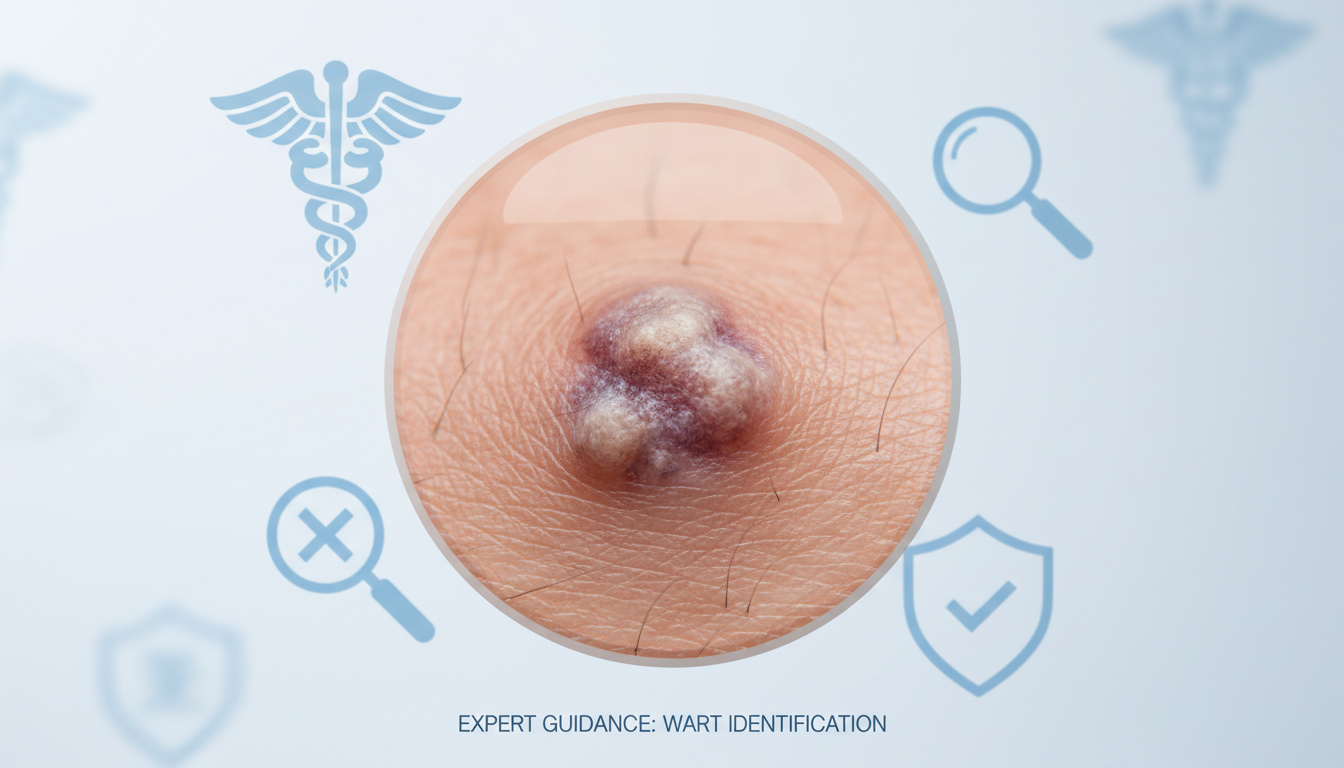
Warts are among the most common skin conditions, yet identifying them can be confusing. These small, rough growths often resemble other skin lesions like moles or skin tags, leading to uncertainty about their true nature. Accurate recognition is especially important, as warts are contagious and may require different care from similar-looking spots.
Understanding what distinguishes a wart helps prevent unnecessary worry and ensures proper treatment. Recognizing key features—such as texture, growth pattern, and typical locations—provides a foundation for self-assessment. However, some cases may need evaluation by a medical professional for confirmation and advice on removal or management.
How can I accurately identify a wart?
Growth caused by human papillomavirus (HPV), presenting as a raised, rough bump, most frequently on the hands or feet.
Look for a rough surface, grainy texture, black dots, and common sites such as fingers or soles.
Includes over-the-counter salicylic acid products, cryotherapy, and dermatologist-guided methods.
If growth is painful, bleeds, spreads, or does not improve with home care, consult a dermatologist.
- Distinguishing warts from moles and other lesions can reduce confusion and inappropriate treatment.
- Self-diagnosis carries a risk of misidentification, especially if the growth does not have classic features.
- Warts are contagious, spreading to other skin areas or people via direct contact.
- Pain, rapid changes, bleeding, or growth after age 30 are signals for professional evaluation.
- Moles and warts may look similar but differ in texture, color, and contagion risk.
- Prompt identification helps prevent transmission and complications.
- Persistent or atypical lesions may require a biopsy to confirm the diagnosis.
| Key Aspect | Details |
|---|---|
| Appearance | Raised, rough surface with a pattern of small black dots. |
| Common Locations | Hands, feet, and face. |
| Types | Common warts, plantar warts, flat warts, and filiform warts. |
| Treatment | Over-the-counter remedies, cryotherapy, and professional treatments. |
What are the common symptoms and causes of warts?
Key symptoms of a wart
Warts typically appear as rough, grainy, or skin-colored bumps. Many develop tiny, dark dots within them—caused by clotted blood vessels. On weight-bearing areas like the soles of the feet (plantar warts), pain when walking is common. Flat warts may appear smoother and less raised, often emerging on the face or backs of hands.
The presence of small, pinpoint dark spots within a wart is a hallmark feature, often referred to as “seed warts.” These dots are actually clotted blood vessels, distinguishing warts from other skin lesions. (Cleveland Clinic)
What causes warts and who is at risk?
The underlying cause of common warts is infection with HPV, a widespread virus with many non-cancerous strains. Virus particles enter the skin through minor cuts or breaks. People with moist skin, children, or a weakened immune system face a higher risk.
Direct skin-to-skin contact or shared surfaces are the main ways HPV spreads. Warts do not appear immediately after exposure; they typically develop weeks later. Because warts are contagious, preventive measures—including not picking or scratching—reduce transmission.
Risks of leaving a wart untreated
Untreated warts may persist for months or years, spreading to new body areas or other people. Some may eventually disappear, particularly in children, but others linger and sometimes multiply. Pain, secondary infections, or interference with daily activities (such as walking with plantar warts) are possible complications.
Warts may rapidly spread via touch or contaminated surfaces if not addressed. This risk underscores the need to identify and manage warts early, especially in communal settings.
What treatment options are available for warts?
Over-the-counter approaches
Salicylic acid is a mainstay for topical self-treatment; it softens and removes layers of wart tissue gradually. Consistent application is necessary, as viral warts require targeting infected skin cells. Not all wart types respond to OTC methods, and use should be avoided for growths that could be moles.
Professional interventions and when to seek care
Cryotherapy—application of liquid nitrogen—is frequently performed by dermatologists. Other options include electrosurgery, laser therapy for stubborn cases, surgical excision, or prescription topical agents. These methods offer greater accuracy, reduce scarring, and allow for diagnostic confirmation via biopsy if the condition is unclear.
See a dermatologist if the wart is painful, bleeds, changes rapidly, spreads, or does not improve with OTC treatment.
Accurate diagnosis by a healthcare provider is crucial when skin growths do not display features typical of warts or overlap with the appearance of moles. Early consultation aids in ruling out conditions with more serious implications, like skin cancer.
For further information, you may also refer to Mayo Clinic resources on warts.
How effective are over-the-counter options?
While many warts resolve on their own within 1–2 years, especially in young people, OTC treatments can speed healing. However, some warts resist home treatment and require professional intervention. Self-treatment is often less successful for complete viral clearance.
Using home remedies on moles or atypical lesions is not recommended without medical input, as it may mask or delay the diagnosis of other conditions.
How does a wart progress over time?
- HPV enters the skin through micro-abrasions, often weeks before a wart appears (Cleveland Clinic).
- A small, raised bump develops, usually with a rough texture and visible dots.
- The wart may enlarge, become painful (especially on the feet), or multiply.
- Without treatment, warts can persist for up to two years or longer in adults, but may spontaneously disappear in children.
- Untreated warts can spread to additional sites through touch or contact with surfaces.
- Prompt treatment often leads to resolution; some methods (cryotherapy, excision) act rapidly, while others require weeks of repeated action.
For more detailed progression, see guidelines provided by NHS.
How certain is self-diagnosis of a wart and what remains unclear?
| What’s well established | What may be unclear |
|---|---|
| Warts are rough, raised, and commonly show black dots. Typical sites are hands, fingers, soles, and knees. |
Some flat or facial warts lack black dots or a highly rough surface. Moles, skin tags, and early skin cancers may mimic warts visually. |
| Contagious nature and link to HPV infection are confirmed. | Not all lesions are easy to distinguish by appearance alone. Pain, rapid change, or irregular color warrant further evaluation. |
| Standard treatments (salicylic acid, cryotherapy) have proven effectiveness for typical warts. | Unusual or persistent growths may not respond to common methods and could represent a different condition. |
What are the key differences between warts and other skin lesions?
Warts differ from moles by their viral origin, contagiousness, and classic appearance—including grainy or cauliflower-like texture and black dots within the growth. Moles are typically smooth, pigmented, and non-contagious. Skin tags, on the other hand, present as soft, skin-colored extensions and do not share the risk of viral transmission.
Sun exposure, genetics, and immune status influence who develops these skin conditions. Most cases are harmless, though vigilant monitoring and professional assessment remain crucial for lesions displaying abnormal patterns or rapid changes.
The American Academy of Dermatology offers additional insights on differentiating these conditions (AAD).
Which expert sources provide guidance on wart identification?
“Warts result from human papillomavirus (HPV) infections, with appearance ranging from small, grainy bumps to smooth, flat lesions. Black dots may be visible inside the wart.” WebMD
“Proper diagnosis is essential as warts can mimic other benign or malignant skin conditions, including moles and early-stage skin cancers.” Mole vs. Wart
What should I know about next steps if I suspect a wart?
If you believe you have a wart, start with careful observation of its features and consider over-the-counter treatments for classic cases. For unusual growths, or those that change, bleed, or cause ongoing pain, seeing a dermatologist is the safest approach. Additional resources—such as the Warts information page—cover guidance on treatment and prevention.
Frequently asked questions about wart identification
Why does a wart have black dots?
Can warts spread to other parts of my body?
Are there home remedies that work for warts?
What are the long-term effects of untreated warts?
Is it safe to remove a wart on my own?

Arthur Oliver Howard Fletcher is a staff writer for NationalReport.uk, covering UK national news, politics, the economy and public services. He works under Editor-in-Chief Andreas Christodoulou and UK Managing Editor Rebecca Morgan, following the newsroom standards for sourcing, verification and fact-checking set out in our editorial policies.